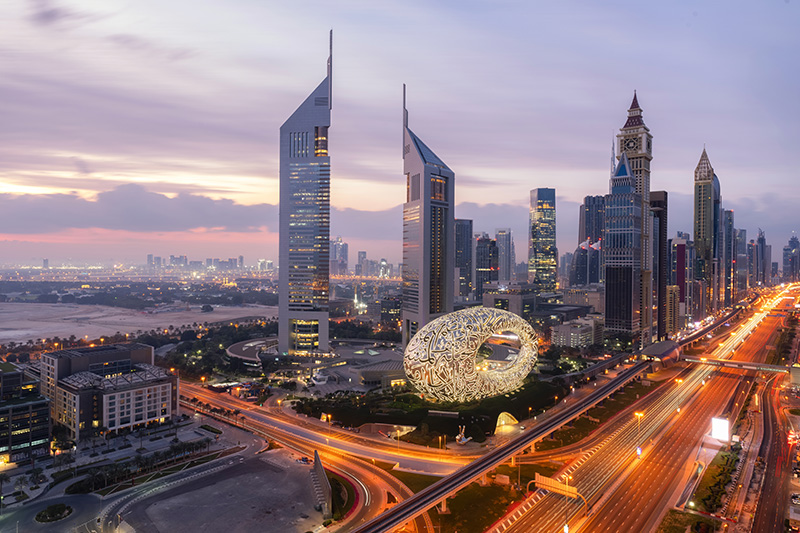
In 2025, the United Arab Emirates further strengthened its position as a leading economic power in the region and globally, continuing its contributions to sustainable development under visionary leadership — in parallel with the nation’s 54th Union Day celebrations.
The UAE economy maintained its status as one of the fastest-growing in the world, driven by strong non-oil sectors and strategic investment-focused initiatives. The International Monetary Fund projected the UAE’s GDP growth at 4.8% in 2025. Meanwhile, non-oil foreign trade reached AED 1.7 trillion in the first half of the year, marking a 24.5% increase compared to the same period in 2024.
Largest Federal Budget in UAE History
In a historic step, the UAE approved its largest-ever federal budget for the year 2026, amounting to AED 92.4 billion. The country also launched the National Investment Strategy 2031, aiming to increase annual foreign direct investment to AED 240 billion.
By the end of September 2025, total banking assets had surpassed AED 5.199 trillion, while total credit reached approximately AED 2.478 trillion. The UAE also continued expanding its network of Comprehensive Economic Partnership Agreements (CEPAs) with countries around the world.
In 2025, the UAE launched the “UAE: Global Hub for Trade” program, which aims to attract 1,000 major international companies and boost the country’s export markets through a new global digital trade platform.
Tourism Boom
The tourism and travel sector continued to shine, with major milestones in visitor numbers, revenue, and strategic projects. The sector contributed AED 257.3 billion to the UAE’s GDP in 2025, representing 13% of the national economy.
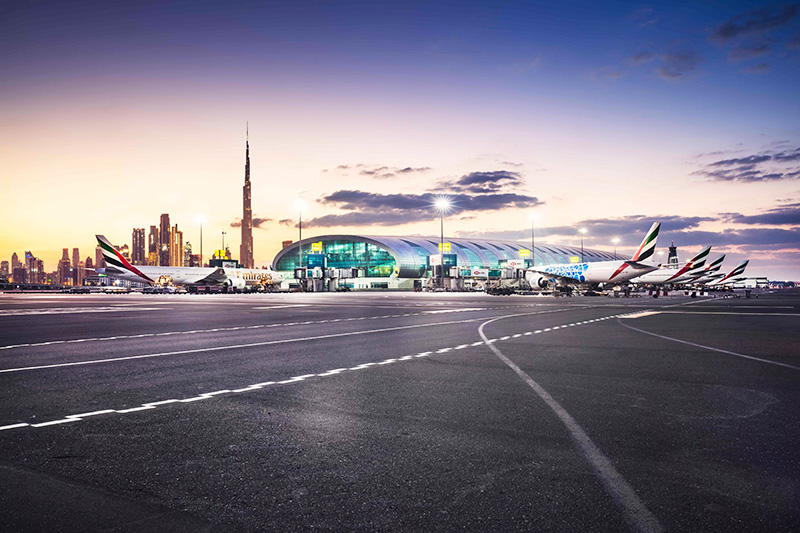
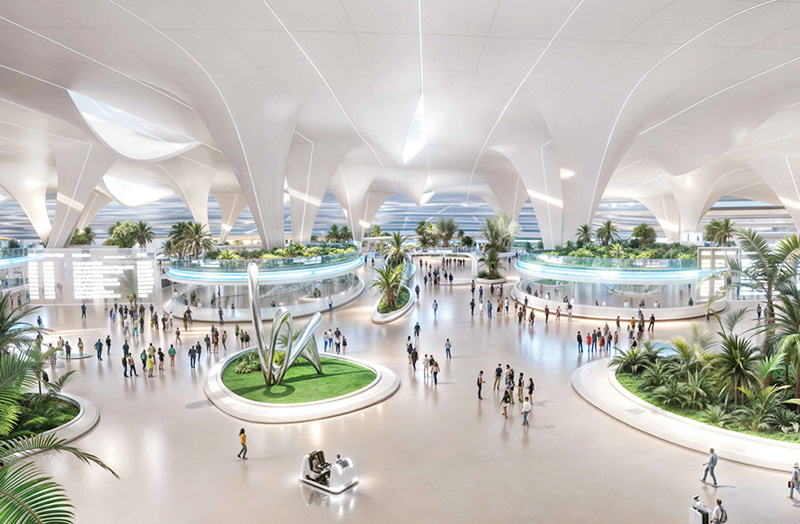
During the first half of the year, hotels across the UAE welcomed more than 16.1 million guests, generating revenues of AED 26.1 billion. Meanwhile, Abu Dhabi International Airport, Dubai International Airport, and Sharjah International Airport handled a combined 108.59 million passengers by the end of September.
In a proud moment for the country, Sheikha Nasser Al Nowais was elected Secretary-General of the United Nations World Tourism Organization (UNWTO) for the 2026–2029 term.
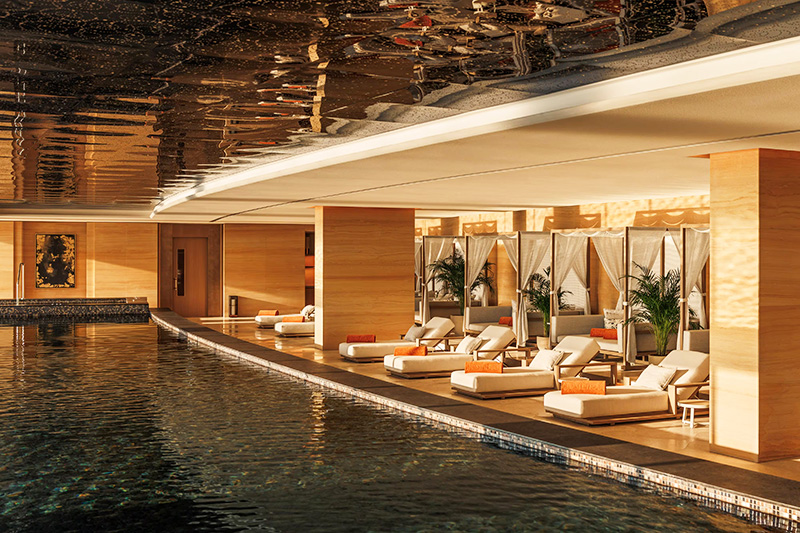
Several major tourism and investment projects were also unveiled in 2025, including the “Al Tayy Hills” project in Sharjah, the second phase of the Khor Waterfront in Umm Al Quwain, the development of Disney World and Resort Abu Dhabi, and the Therme Dubai wellness and entertainment complex.
Major Development Projects
The UAE accelerated the implementation of key development projects aimed at improving quality of life and supporting economic and urban growth. Among the highlights:
-
Launch of a high-speed rail link between Abu Dhabi and Dubai.
-
Announcement of a national roads and transport plan worth AED 170 billion through 2030, including upgrades to federal roads with a 73% increase in efficiency.
-
Construction of the Fourth Federal Highway, with a daily capacity of 360,000 trips.
-
Groundbreaking of the Blue Line of the Dubai Metro, a 30-kilometer extension.
Other infrastructure projects announced or launched in 2025 include:
-
Awarding of contracts for four major rainwater drainage projects in Dubai under the “Tasreef” project, costing AED 1.439 billion.
-
Launch of Umm Faneen Electric Station in Sharjah, with a cost of over AED 500 million.
-
Full commercial operation of the Fujairah F3 power station, with a capacity of 2.4 gigawatts, supplying power to more than 380,000 homes.
-
Launch of Dubai Auto Market, spread over 22 million square feet, set to be the largest of its kind in the world.
These projects reflect the UAE’s ongoing commitment to development across all emirates, reinforcing its position as a hub for innovation, infrastructure, and investment.