In line with the objectives of the Dubai Economic Agenda (D33), which aims to solidify the emirate’s position as a global hub for innovation and digital transformation, His Highness Sheikh Hamdan bin Mohammed bin Rashid Al Maktoum, Crown Prince of Dubai and Chairman of The Executive Council, has officially approved the adoption of digital hotel check-in technology. The new system will become a key channel used across all hotels and vacation rentals in Dubai, offering guests—both local and international—a smart, seamless, and secure check-in experience.
This initiative, developed by Dubai’s Department of Economy and Tourism, follows successful trials that demonstrated the technology’s ability to enhance operational efficiency, reduce waiting times, and build a more flexible hospitality ecosystem that meets the needs of today’s travelers.
“Dubai continues to strengthen its position as a global center for innovation and a living lab for smart city solutions, guided by the vision of His Highness Sheikh Mohammed bin Rashid Al Maktoum,” said Sheikh Hamdan. “The adoption of digital check-in technology in the hospitality sector reflects our ongoing efforts to build a more efficient and flexible tourism system that prioritizes guest comfort, supports the growth of the tourism sector, and boosts its role as a key pillar of our national economy.”
He added, “Moving towards a fully digital hospitality ecosystem is part of our vision for the cities of the future. It reflects our commitment to using technology to create faster, safer, and more enjoyable experiences for residents and visitors alike. This step further establishes Dubai as a global destination for business and leisure and sets a new benchmark for guest experiences worldwide.”
With the new system, visitors to Dubai can complete their check-in process before arrival through their smartphones. Guests will upload their ID documents and biometric data just once, with no need to repeat the process on future visits unless their ID has expired. Upon arrival, guests can bypass the reception desk entirely by walking through a digital check-in path, using their previously verified biometric data securely and efficiently.
Repeat visitors—who represent nearly a quarter of Dubai’s annual tourist numbers—will benefit even more. For them, the process only requires a quick facial recognition scan, enabling hotel access in seconds. The system improves comfort and convenience for guests while also boosting operational efficiency for hotels.
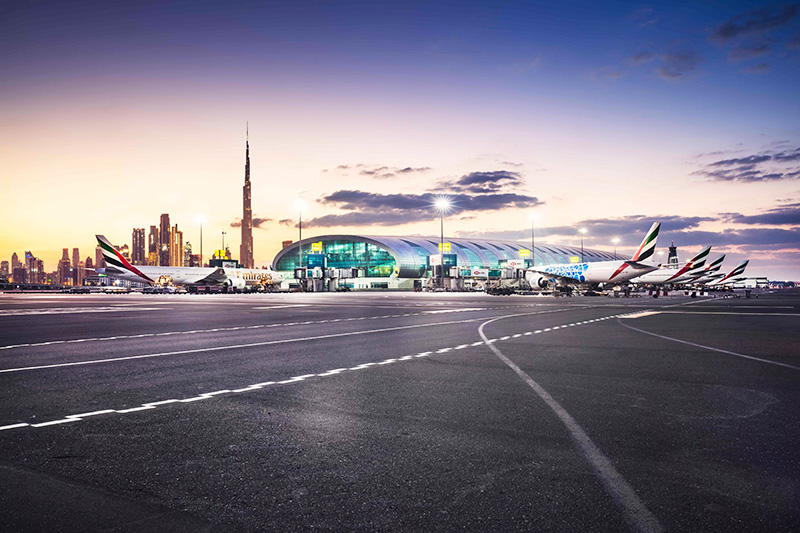
The technology aligns with Dubai’s advanced digital infrastructure, including smart gates at Dubai International Airport, which have already helped reduce immigration processing times to just a few seconds.
Hilal Saeed Almarri, Director General of the Department of Economy and Tourism, highlighted that this initiative marks a major leap for the hospitality sector in Dubai. “It demonstrates our ability to adopt smart solutions that enhance Dubai’s competitiveness globally. It’s a direct reflection of our leadership’s vision for digital transformation and world-class service excellence.”
He also emphasized the strong collaboration between the public and private sectors in realizing this step, which supports the D33 goals and strengthens Dubai’s position as a global capital of smart hospitality.
Dubai’s hospitality sector plays a central role in the city’s tourism ecosystem, currently boasting over 820 hotels and serviced apartments offering world-class facilities. The sector has helped Dubai achieve impressive tourism milestones, with 15.7 million international visitors recorded in the first ten months of 2025—a 5% increase from the same period last year—and 36.7 million room nights booked across the city’s accommodations.
The approval of the digital hotel check-in system marks a strategic step in Dubai’s digital transformation journey, reaffirming the emirate’s commitment to offering smart, future-ready services that redefine the tourism and hospitality experience.
The system has also been designed for easy integration into existing hotel apps and digital platforms and can be expanded to other guest touchpoints like car rentals—paving the way for a fully integrated, personalized travel experience across the city.