In 2025, the United Arab Emirates (UAE) witnessed a transformative shift in its real estate market. The country is now firmly established as one of the world’s premier destinations for luxury living—particularly through the rapid growth of branded residences.
According to a report by CBRE titled “Branded Residences in the UAE: A Global Magnet for Luxury and Premium Pricing Drivers,” this evolution is deeply rooted in strong economic fundamentals, a robust influx of wealthy individuals, and the UAE’s strategic appeal as a safe and vibrant investment haven.
Strong Economic Foundations
CBRE’s report credits the UAE’s luxury real estate surge to its resilient economic base. In 2026, the country’s GDP growth forecast was raised to 5.3%, largely powered by booming non-oil sectors, which now contribute a record 77.5% of the real GDP.
Supporting this economic strength is a projected federal budget revenue of AED 92.4 billion, along with top-tier sovereign credit ratings from global agencies. Together, these elements have created an ideal climate for global investors seeking stability and long-term value.
Surge of High-Net-Worth Individuals
A key driver behind the UAE’s upscale property market is the increasing influx of high-net-worth individuals. Estimates suggest that between 9,800 and 13,000 new millionaires relocated to the UAE in 2025 alone—attracted by the Golden Visa program, world-class infrastructure, and exceptional quality of life.
Particularly noteworthy is the rise of “everyday millionaires”—those with assets between $1 million and $5 million—who are now fueling demand for branded residences. These buyers view real estate as a stable, long-term investment and are drawn to the quality assurance, lifestyle services, and turnkey convenience these properties offer.
Dubai’s Dominance in Global Luxury Real Estate
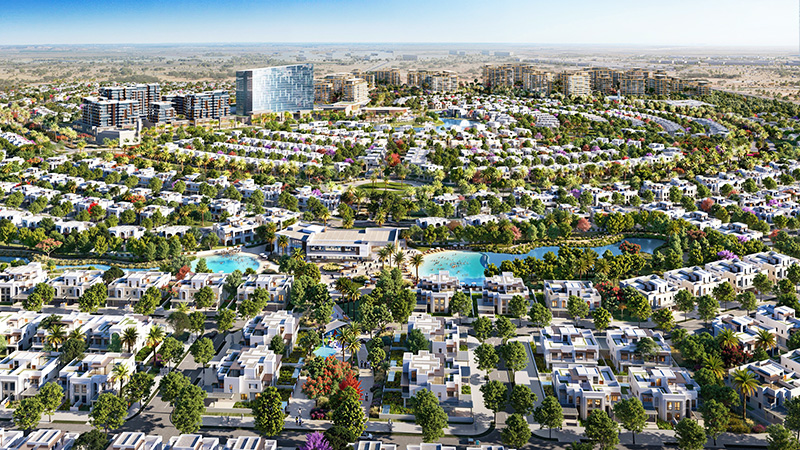
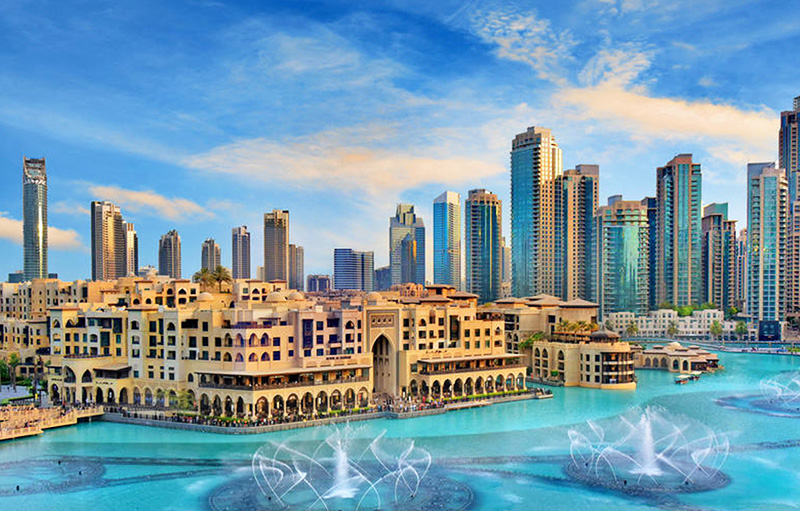
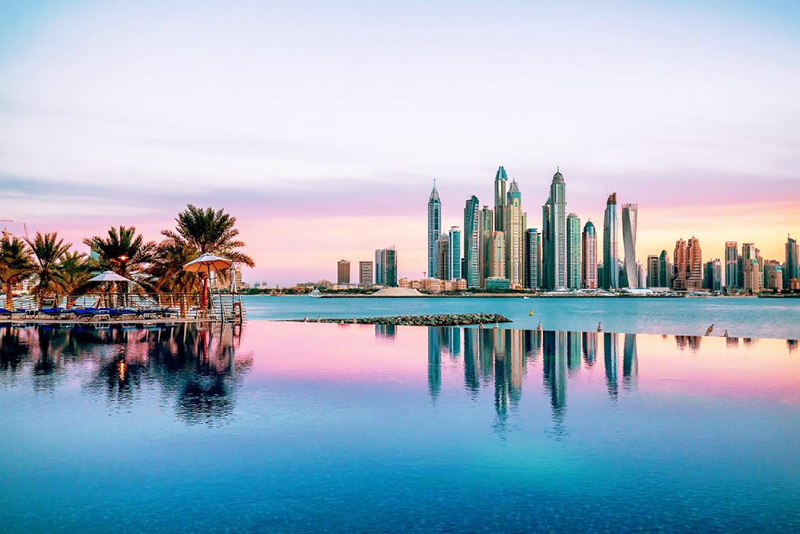
Dubai has taken center stage in this luxury boom, outperforming traditional markets like London, New York, and Miami in both volume and concentration of branded residences. In the first nine months of 2025 alone, branded residential sales in Dubai soared by 51% in value, reaching AED 50 billion (approx. $13.6 billion), while transactions rose 26%.
The luxury villa segment led the charge, with an extraordinary 335% increase in transaction volume. Average prices for these villas reached up to AED 17.3 million in prime developments. Buyers are now paying an average premium of 64% for branded units—especially in projects linked with luxury automotive names like Bugatti and Lamborghini.
By 2030, Dubai is expected to deliver over 31,300 new branded units, with 95% comprising apartments and roughly 8% of all new residential projects carrying a global brand name.
Branded Residences: More Than Just Real Estate
Dubai’s appeal goes beyond architecture—it’s about experience. With 48,474 branded residential units across 144 projects, and over 5,500 new units added in just the first half of 2025, Dubai is driving a global shift in how luxury homes are conceived and consumed.
The concept, once dominated by hospitality giants like Four Seasons and Ritz-Carlton, now includes partnerships with fashion houses like Armani and Missoni, automotive legends like Mercedes-Benz and Bugatti, and lifestyle innovators such as Six Senses and Cipriani.
Buyers are willing to pay premiums of 40–60% for these branded homes, attracted by unique experiences, brand prestige, and promising resale value.
Strategic Growth Backed by Visionary Planning
Dubai’s success isn’t coincidental—it’s built on a strategic blend of pro-investor policies, futuristic urban planning, and investor-friendly regulations. Foreigners enjoy full property ownership, zero income tax, long-term Golden Visas, and access to a globally connected economy and high-end lifestyle.
Dubai’s Urban Master Plan 2040 also supports sustainable growth, public wellness, and vibrant communities—all critical for maintaining the city’s position as a global luxury hub.
In 2024 alone, Dubai recorded the sale of 13,000 luxury branded units worth AED 60 billion, representing 8.5% of the city’s total real estate transaction value—a 43% annual increase.
Abu Dhabi: The Rise of Exclusive Tranquility
While Dubai thrives on volume and global attention, Abu Dhabi is carving a niche in exclusive, understated luxury. Branded residence transactions in the capital surged by 126%, especially in Saadiyat, Yas, and Al Maryah Islands.
These units commanded a record 87% price premium over non-branded alternatives, reflecting both the scarcity of ultra-luxury supply and increasing demand for serene, world-class living. By 2027, lifestyle-focused non-hotel residences are expected to make up 44% of new inventory, propelled by mega-projects like the anticipated Disney-themed park.
Ras Al Khaimah: The Emerging Luxury Destination
Not to be outdone, Ras Al Khaimah is undergoing a remarkable repositioning as a high-end resort and luxury real estate destination. The game-changing announcement of the Wynn Al Marjan Island resort set the tone for transformation.
Projects like Mondrian Al Marjan saw AED 704 million worth of units sold within hours—testament to global investor interest in non-traditional luxury brands. By 2030, branded residences are expected to account for 54% of new supply in Ras Al Khaimah, up from just 20% today.
A New Chapter for Real Estate in the UAE
The branded residence boom across the UAE reflects a deeper transformation in global buyer behavior. Today’s investors aren’t just purchasing square footage—they’re buying into a lifestyle, community, and identity.
Dubai leads this evolution with unmatched scale and ambition, while Abu Dhabi offers serene exclusivity and Ras Al Khaimah rapidly gains ground as a luxury newcomer. Across the board, the UAE is redefining what modern luxury real estate means, and positioning itself as the ultimate global magnet for high-end living.