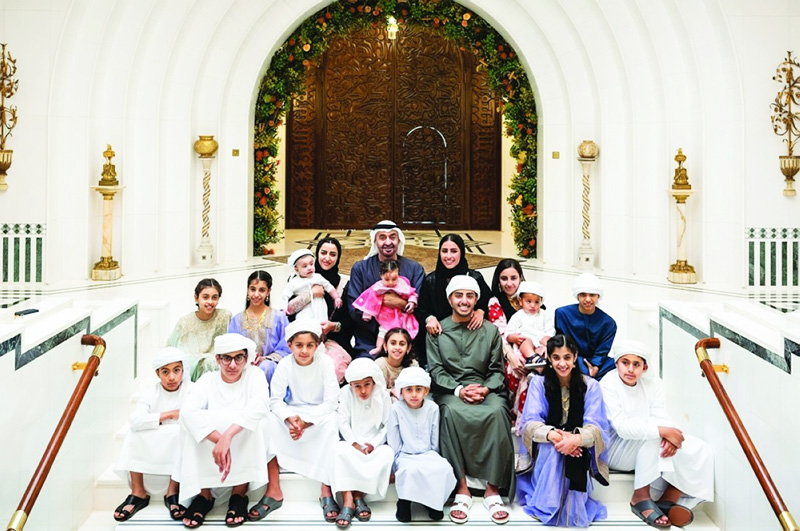
His Highness Sheikh Mohamed bin Zayed Al Nahyan, President of the United Arab Emirates, may God protect him, has affirmed that empowering the family is a national priority and a shared social responsibility. He emphasized that investing in the family is an investment in the future of the UAE and the sustainability of its progress.
In a message posted on his official account on the platform “X,” His Highness stated:
“As we mark the beginning of the ‘Year of the Family,’ we reaffirm our commitment to continuing efforts that promote family growth, cohesion, and its essential role in shaping individuals, instilling patriotism in the next generation, and upholding our national values and principles. Family empowerment is a national priority and a shared social duty. Investing in families is an investment in the UAE’s future and the sustainability of its development.”
The Family: Cornerstone of Emirati Society
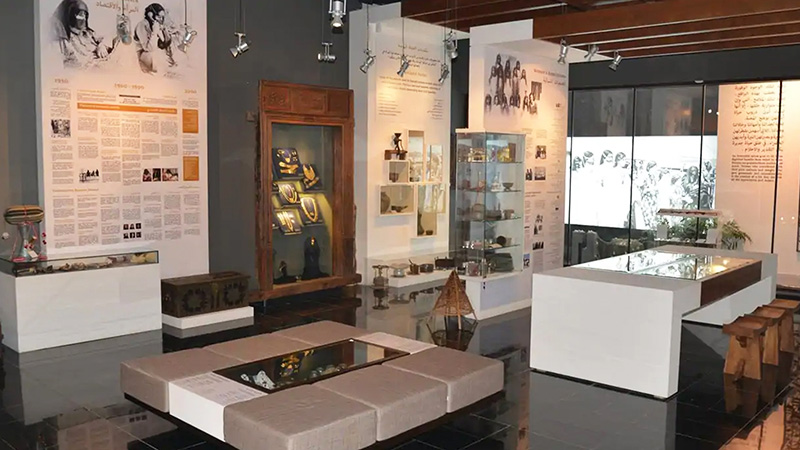
From the earliest days, the family has been the backbone of the UAE society. In a land shaped by the sea and desert, where people lived in harmony with nature and faced its challenges, the family served as the primary source of security and stability. It was within the family that values like solidarity, cooperation, and mutual reliance were instilled.
Families in the past were deeply involved in organizing daily life, sharing responsibilities, and raising children to be resilient, hardworking, and responsible. This familial foundation contributed significantly to maintaining the fabric of society and ensuring its continuity across generations.
The First School of Values
Before the establishment of the Union in 1971, the extended Emirati family model prevailed — grandparents, parents, and grandchildren living under one roof, bonded by blood, purpose, and unity. This familial setup fostered respect for elders, compassion for the young, and collaboration in facing life’s challenges.
The family served as the first school where children learned religious and social values, developed a love for the land, and nurtured pride in their national identity. This strong family structure built a cohesive, resilient society that stood firm in the face of adversity.
A New Era After the Union
With the founding of the UAE in 1971, the Emirati family entered a new chapter of transformation and comprehensive development. The wise leadership, led by visionary rulers, recognized that building a modern state begins with building individuals — and that strong individuals are nurtured within strong, stable families.
Accordingly, the family was placed at the center of the national development project. Early government policies focused on education, healthcare, housing, and employment — all essential to ensuring the family’s stability and improving its quality of life.
Growth Alongside National Development
Over the decades, the UAE family has witnessed significant development alongside the nation’s own transformation. Free access to education gave Emiratis unprecedented opportunities for learning and social mobility. This, in turn, elevated family awareness and modernized parenting practices.
The state provided comprehensive healthcare, affordable housing, and social support, easing the daily burdens on families and allowing them to focus on their nurturing and social roles. At the same time, the leadership remained committed to preserving authentic family values amid rapid modernization.
This balance between tradition and progress became a hallmark of the Emirati experience — lifestyles evolved, workplaces changed, but the essence of family remained rooted in cohesion, respect, and solidarity. This balance protected the social fabric and reinforced a deep sense of belonging and emotional stability among individuals.
Adapting to Social Transformations
As the UAE advanced socially and economically, new challenges emerged. Families began transitioning from extended units to nuclear structures, and women increasingly entered the workforce and higher education. While these changes brought many benefits, they also placed new pressures on the family unit.
In response, the leadership introduced flexible social policies and legislation designed to protect the family, support its cohesion, and help it adapt to modern demands — all without compromising its core values.
This period saw the rise of initiatives aimed at supporting family stability and improving household quality of life. Programs were introduced to regulate marriage, promote family formation, support motherhood and childhood, and offer family counseling. Legal frameworks were developed to protect the rights of all family members and ensure a safe, nurturing environment.
A milestone in this journey was the creation of a dedicated government ministry focused on family affairs and strengthening its role in society.
A National Vision for 2026: The Year of the Family
With the announcement by His Highness the President of the UAE, may God protect him, declaring 2026 the “Year of the Family,” this vital file has gained renewed momentum. This national initiative marks a historic milestone in the country’s ongoing commitment to family welfare.
Rather than being a symbolic event, the “Year of the Family” provides a comprehensive national framework to coordinate efforts across all institutions involved in family affairs. It reaffirms the shared national responsibility of reinforcing family growth and unity — requiring cooperation among government bodies, society, and families themselves.
The initiative also calls for a re-evaluation of social policies and the development of programs that meet the evolving needs of families, from pre-marriage counseling to parenthood and child development.
Honoring Elders and Inclusive Support
Crucially, the initiative recognizes the importance of senior citizens as living memories and bridges between the past and present. The “Year of the Family” emphasizes their role within the household, seeks to benefit from their experiences, and reinforces the values of filial piety and intergenerational connection.
Support for people of determination is also central to the initiative, aiming to fully integrate them into society and empower families to play a vital role in their inclusion — reflecting the deep-rooted humanitarian values of the Emirati community.
A Solid Foundation for the Future
In 2026, the Emirati family stands on a firm foundation — the result of visionary leadership, holistic social policies, and a rich historical experience that has proven one undeniable truth: investing in families is the most sustainable investment.
A stable, united family means a stronger, more cohesive society, a more productive economy, and a safer, more secure future for all.