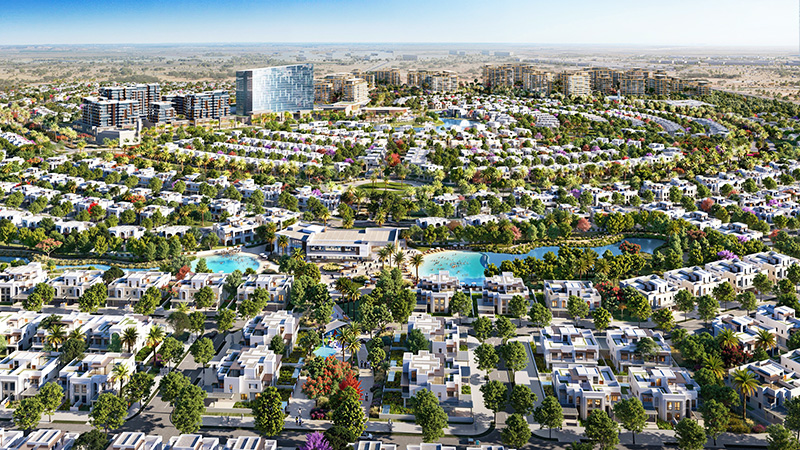
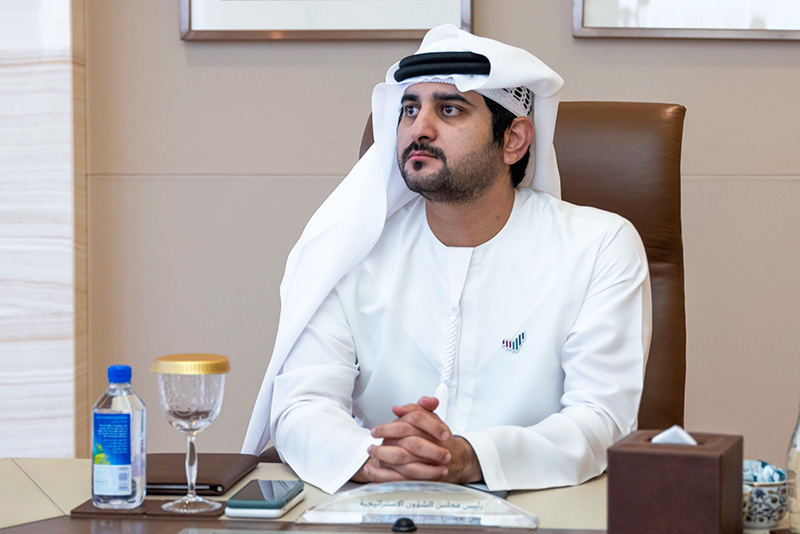
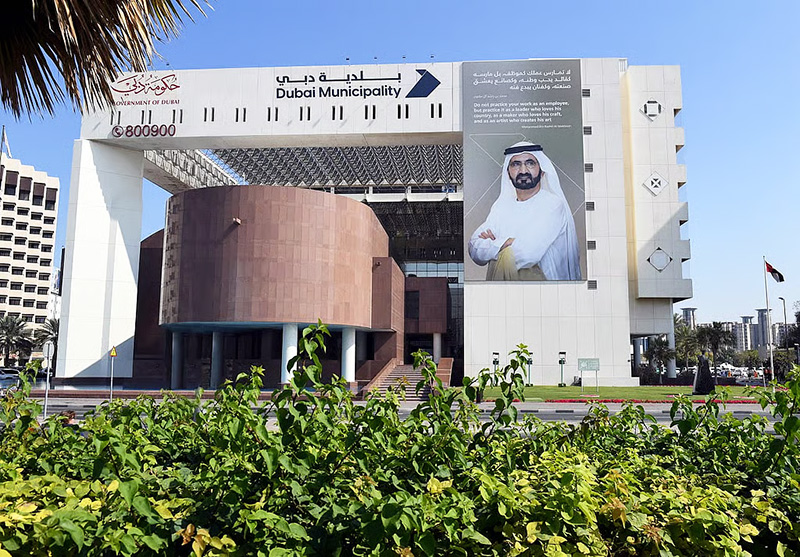
Dubai is steadily reshaping daily life for its residents. Speaking recently, Marwan bin Ghalita, Director General of Dubai Municipality, shared that nearly half of Dubai’s neighborhoods now operate under the 20-minute city concept — a vision centered on convenience, accessibility, and stronger communities.
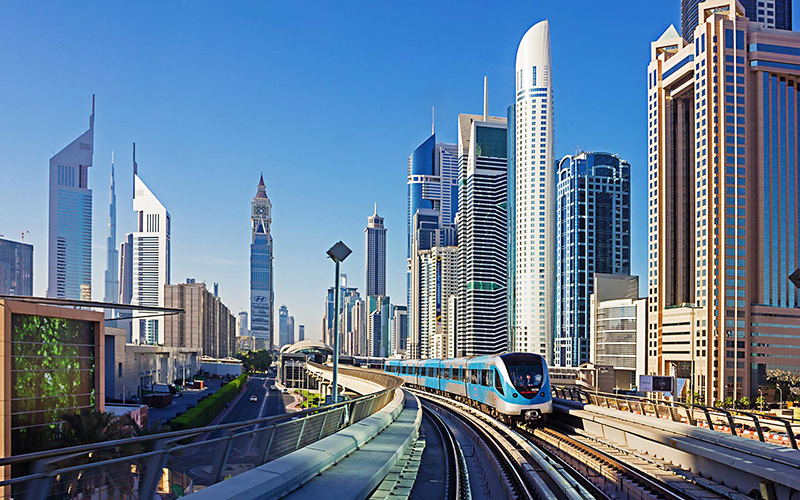
At its core, the idea is simple: people should be able to reach the essentials of everyday life — schools, grocery stores, parks, clinics — within 20 minutes, whether on foot, by bicycle, or by car. Instead of structuring the city around long commutes, the focus is shifting toward making neighborhoods more self-sufficient and connected.
Making Everyday Life Easier
Dubai Municipality is working to expand this model even further. By improving infrastructure and ensuring services are thoughtfully distributed across districts, the goal is to make more communities feel complete and accessible.
But this initiative is about more than cutting travel time. When families have everything they need nearby, daily routines become smoother. Children spend less time in traffic. Parents gain more flexibility. Neighbors interact more often. Over time, this helps create stronger social ties and a greater sense of belonging.
Smarter Food Safety With AI Support
Technology is also playing a bigger role in how the city maintains high standards — particularly when it comes to food safety.
Dubai Municipality is introducing AI-powered smart cameras in restaurant kitchens, all connected to a central monitoring system. These cameras can detect hygiene and safety violations in real time, from improper uniforms to cleanliness concerns or prohibited behaviors.
If something goes wrong, management receives an immediate alert, often with supporting images, so corrective action can be taken quickly. Rather than replacing inspectors, this system strengthens preventive monitoring and encourages consistent compliance.
The initiative is expected to be showcased at GITEX, with the first rollout focusing on mid-rated restaurants before gradually expanding.
One Visit, Multiple Checks
To make inspections more efficient, Dubai Municipality has introduced the “City Inspector” model. Under this approach, a trained Emirati inspector with judicial authority can oversee construction, health, and regulatory matters in a single visit.
Previously, businesses might have dealt with separate inspections from different departments. Now, the process is more streamlined, reducing repetition and saving time while maintaining strict oversight.
On any given day, hundreds of inspections take place across construction sites and commercial establishments. These efforts are supported by laboratory testing, material analysis, drone technology, and community reporting tools — creating a modern, data-driven regulatory system designed for responsiveness and accountability.
Housing Services That Put Citizens First
Housing remains a central priority. Strong coordination between Dubai Municipality, the Mohammed bin Rashid Housing Establishment, and urban planning authorities has significantly shortened the process of land allocation.
Today, once an application is approved, land can be assigned electronically without long waiting periods. To further simplify the building journey, the municipality offers pre-approved home designs that meet high engineering standards. Families can use these designs as they are or make minor adjustments to suit their needs. In some cases, additional consultancy services are not required, making the process more straightforward.
Guiding Families Through the Building Journey
Recognizing that building a home can feel overwhelming, Dubai Municipality has launched a program to train around 500 Emirati project managers in partnership with the New Economy Academy.
These project managers work closely with citizens throughout construction — helping them choose contractors, review materials, manage timelines, and maintain quality standards. A contractor classification system also allows homeowners to review performance records before signing contracts, adding a layer of transparency and confidence.
Families at the Center of Planning
Family wellbeing is not just a theme — it is a guiding principle. Dubai Municipality has strengthened cooperation with the Ministry of Family to ensure that development strategies reflect the real needs of households.
Public spaces, including parks, beaches, and community hubs, are designed with inclusivity in mind, especially for people of determination. Accessibility and equal access are key considerations, and facilities are continuously updated based on community feedback.
A Broader View of Wellbeing
In Dubai’s vision, wellbeing goes beyond impressive buildings and infrastructure. It also means efficient services, smooth coordination between government entities, and support for those who need it most.
One example is the “Customer Happiness Vehicle,” which visits senior citizens and individuals who may struggle with digital platforms, helping them complete government services from the comfort of their homes.
Taken together, these initiatives reflect a city that is not only growing, but listening — adapting its systems, embracing innovation, and placing families at the center of every decision. In Dubai’s evolving story, progress is measured not just by expansion, but by how comfortably people can live, connect, and build their future.