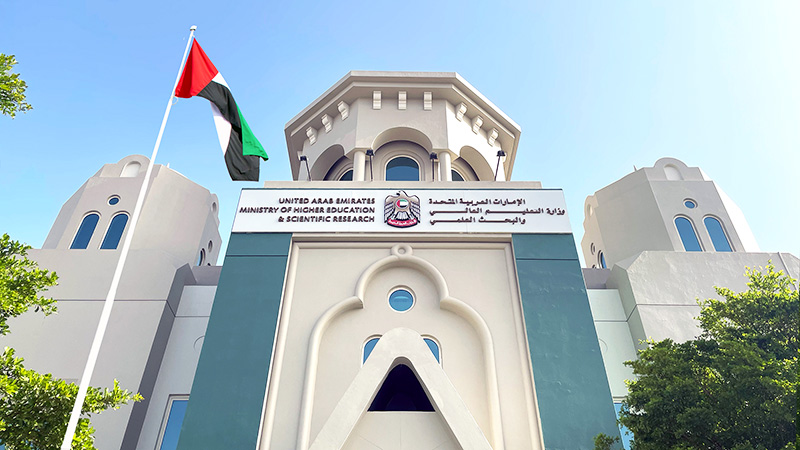
The Ministry of Higher Education and Scientific Research has announced a gradual return to in-person learning at universities, set to begin next Monday, as part of a carefully planned approach targeting programs that require physical attendance to ensure high-quality educational outcomes.
This decision reflects a commitment to supporting students and maintaining the effectiveness of the learning process, particularly in disciplines that rely on hands-on training, clinical practice, laboratory work, or direct field applications, as well as those requiring in-person examinations.
According to official guidance, a list of priority academic programs has been identified for the phased return to campuses. Leading the list are medical and engineering fields, along with a wide range of scientific and technical disciplines where remote learning alone is not sufficient.
In a circular sent to higher education institutions, the ministry emphasized the importance of strict adherence to health and safety measures. Universities are required to ensure the availability of approved emergency response and evacuation plans, while also raising awareness among students and academic and administrative staff. Additionally, institutions were instructed to avoid conducting educational or training activities in open outdoor spaces to maintain safety standards.
Meanwhile, remote learning will continue for academic programs that do not require physical attendance until April 3, unless further updates are announced. Universities have also been urged to stay informed about ongoing developments and maintain strong coordination with relevant local authorities to ensure effective implementation of these measures.
The priority programs approved for the gradual return include health sciences, medical residency and fellowship programs, biological and biomedical sciences, engineering and related technologies, computer science and information technology, telecommunications and related support services, as well as architecture.
The list also covers other fields such as visual and performing arts, physical sciences, transportation and logistics, natural resources and conservation, agriculture and related sciences, internal security and law enforcement, fire protection and preventive services, and psychology.
This phased approach highlights the authorities’ efforts to strike a balance between maintaining educational continuity and quality, while ensuring the safety and well-being of students and academic communities.