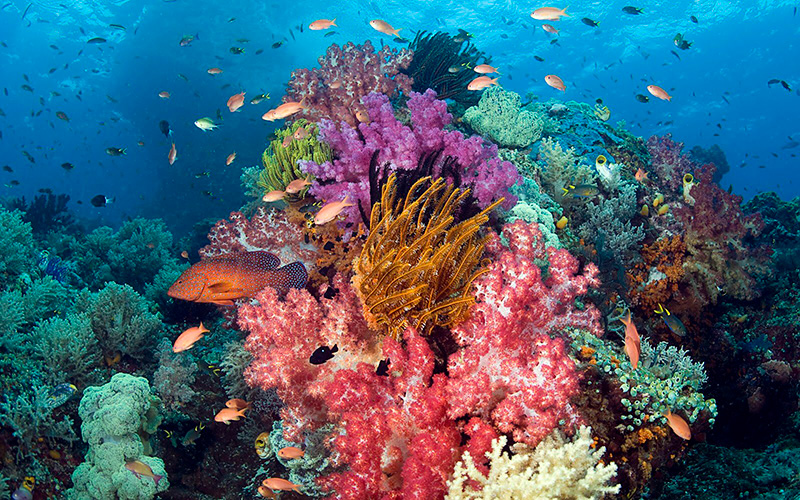
The total number of nature reserves in the United Arab Emirates has doubled over the past 12 years, rising from 23 reserves in 2013 to 50 by the end of 2024 — an increase of 117%. These figures reflect the country’s ongoing efforts to safeguard biodiversity and protect natural ecosystems.
According to the latest official data, the total protected area of nature reserves has grown by 177%. The 50 reserves include 34 land-based reserves, covering approximately 13,100 square kilometers, and 16 marine reserves, covering around 6,900 square kilometers. Together, these protected areas now span more than 20,000 square kilometers — with 65% being terrestrial and 35% marine.
The emirate of Abu Dhabi hosts the largest number of reserves, with 19 in total. These represent 91% of the UAE’s total nature reserve area and include 13 land reserves and 6 marine reserves. Among the most significant is the Marawah Marine Biosphere Reserve, the largest marine reserve in the UAE as of 2024, covering around 4,200 square kilometers. On land, the Arabian Oryx Protected Area is the largest, spanning approximately 5,900 square kilometers.
Sharjah comes next with 15 reserves, followed by Dubai with 8. Fujairah has 5 reserves, Ajman has 2, and Ras Al Khaimah has 1.
The UAE joined the Ramsar Convention for the protection of wetlands in 2007, as part of its commitment to preserving vital ecosystems. Wetlands — areas that are partially or fully submerged in water — are essential habitats for various species, particularly migratory waterbirds. These areas can be natural or man-made.
In 2007, the area of wetlands in the UAE was only 6.2 square kilometers. By 2024, this had increased significantly to 10 reserves covering a total of 391.7 square kilometers. These include 4 terrestrial reserves covering 153.9 square kilometers and 6 marine reserves covering 237.8 square kilometers.
Additionally, the area planted with mangrove trees has also expanded. By 2024, mangrove forests in the UAE covered 201.4 square kilometers, with 176.8 square kilometers located in Abu Dhabi alone — accounting for 88% of the country’s total mangrove coverage.
This significant growth in protected areas highlights the UAE’s continued focus on sustainable development, environmental protection, and its dedication to conserving natural resources for future generations.