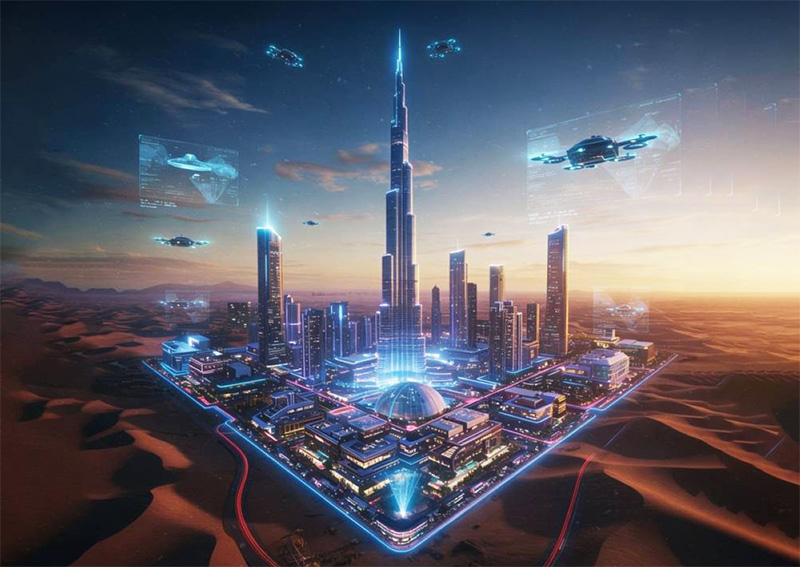
The United Arab Emirates continues to strengthen its leadership in adopting advanced technological solutions and artificial intelligence across the tourism and hospitality sectors, reinforcing its status as a globally innovative and digitally advanced destination. As one of the first countries in the region to embrace comprehensive digital transformation, the UAE has successfully enhanced efficiency across sectors and topped regional and global digital competitiveness rankings, supported by state-of-the-art infrastructure and nationwide fiber-optic networks.
This progress is highlighted through the “World’s Coolest Winter” campaign, launched this year under the theme “Our Winter Is Leadership”, which underscores the vital role played by the UAE’s world-class digital infrastructure in empowering tourism companies, supporting their growth, and elevating service quality across the sector.
Tourism in the UAE relies heavily on advanced digital systems, with companies increasingly deploying AI-powered applications to enhance the visitor journey—from seamless booking processes and smart mobility to personalized services. The country has also solidified its position as a regional hub for startups and digital enterprises by combining a large, diverse customer base with cutting-edge digital infrastructure that accelerates business growth and innovation.
Smart Infrastructure Driving a New Tourism Model
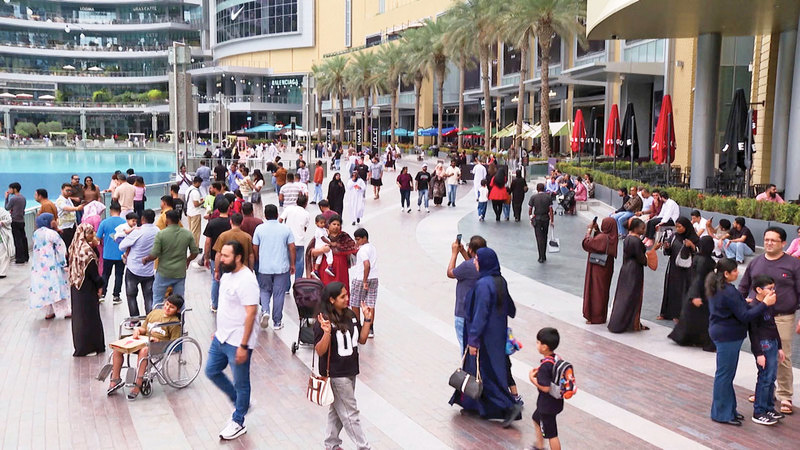
The UAE has leveraged its digital capabilities to significantly enhance visitor experiences through fast, user-friendly services such as smart visas, fully digitized facilities, and advanced transportation systems. Real-time data access for travelers and efficient crowd management solutions have further strengthened the country’s reputation as a global center for innovative tourism, backed by substantial investments in technology and telecommunications.
Across the tourism sector, there is a growing reliance on digital services, intelligent guest personalization, data analytics, smart check-in procedures, and mobile-based services. Official platforms such as Visit Abu Dhabi, Visit Dubai, Visit Sharjah, Visit Ajman, and Visit Ras Al Khaimah play a key role in enriching the visitor experience and improving overall tourism performance.
The UAE has also made significant strides in integrating technology within the hospitality industry, reshaping service design, operational workflows, and every stage of the guest experience. Cloud platforms, AI solutions, contactless check-in, and mobile services are now essential tools that raise guest expectations for speed, convenience, and reliability.
National Strategy and Long-Term Vision
In collaboration with federal and local tourism authorities, the private sector, and global tourism organizations, the Ministry of Economy and Tourism has developed a comprehensive national strategy aimed at strengthening the UAE’s position as a sustainable tourism destination. This strategy focuses on future foresight, innovation, and technology, while promoting UAE destinations, enhancing tourism products, and attracting further investment.
Digital transformation lies at the heart of the National Tourism Strategy 2031, reflected in continued investments in modern aviation networks, integrated multi-modal transport systems, and upgraded infrastructure. The adoption of digital travel solutions is helping facilitate global mobility and deliver seamless visitor journeys through fast, integrated government and tourism services, smart transport, advanced road networks, and digitally enabled public transportation such as metro systems and smart buses.
AI-Powered Hospitality and Seamless Travel
Many hotels across the UAE now rely on intelligent virtual systems to handle routine guest inquiries, with 39% of hospitality operators using chatbots or virtual assistants to provide 24/7 support, recommendations, and administrative services. This allows staff to focus on more complex and personalized guest interactions.
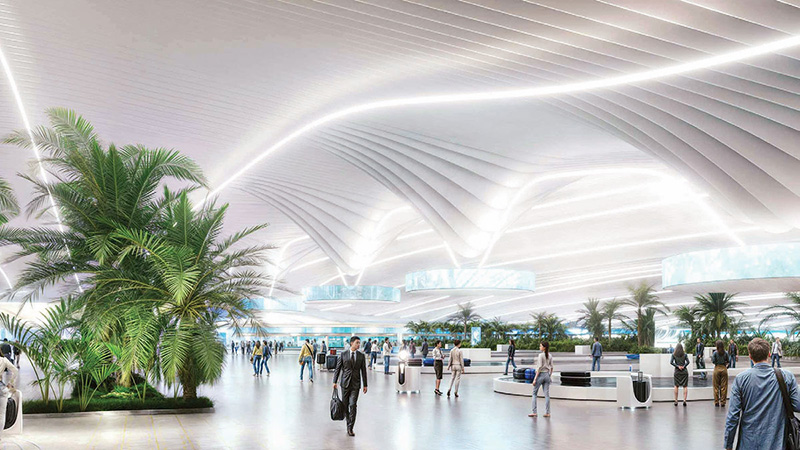
As part of its smart tourism infrastructure, Abu Dhabi aims to become the world’s first fully AI-powered government by 2027, automating 100% of government processes through a AED 13 billion investment under the Abu Dhabi Digital Government Strategy 2025–2027. Major projects such as Zayed International Airport’s Smart Travel initiative, which uses biometric technology, have reduced airport processing times by up to 70%.
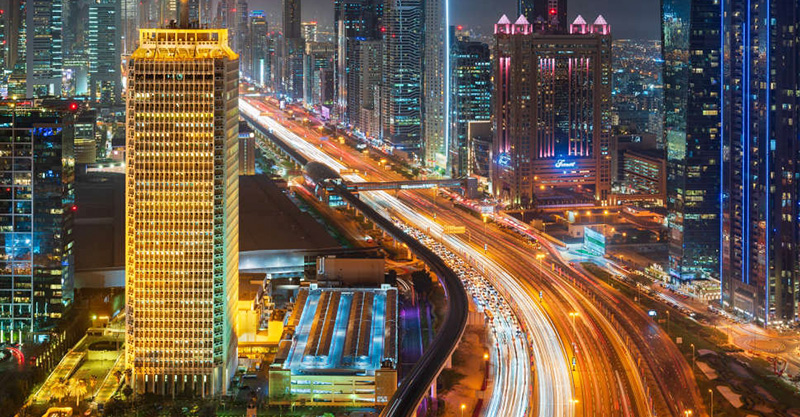
Dubai, meanwhile, has built a strong foundation through advanced digital infrastructure, 5G networks, and paperless government services. Digital hotel check-in has become a standard channel across all hotels and holiday homes in the emirate, offering guests a fast, secure, and intelligent arrival experience.
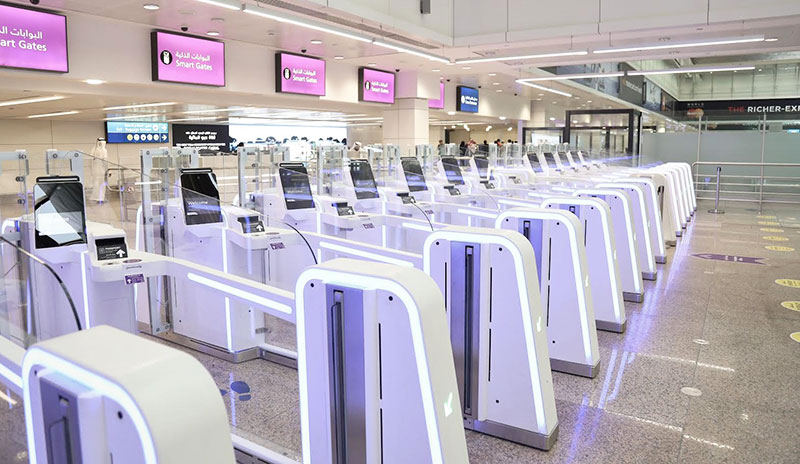
Visitors can now complete hotel check-in procedures before traveling via their smartphones, verifying identity and biometric data once only. Upon arrival, guests pass through a fully digital process without stopping at reception desks. Repeat visitors can simply authenticate using facial recognition within seconds, significantly enhancing convenience and operational efficiency. This system aligns seamlessly with Dubai’s advanced infrastructure, including smart gates at Dubai International Airport that process passport control in mere seconds.
Supporting Innovation and Tourism Startups
To further support tourism startups, Dubai’s Department of Economy and Tourism signed a memorandum of understanding with Mastercard, a global leader in payment technology, establishing the company’s first city-level digital partnership worldwide.
The agreement focuses on empowering small and medium-sized enterprises by providing digital tools, resources, mentorship, and innovative payment solutions. These efforts aim to boost competitiveness, sustainability, and growth within Dubai’s tourism ecosystem, supporting the emirate’s vision to rank among the world’s top three cities for leisure, business, and specialized services.