The Crossroads of Civilizations Museum in Dubai stands as one of the city’s meaningful cultural landmarks. It offers a calm and thoughtful view of the region’s history, not only through historical narratives, but also through rare archaeological collections that show how peoples met, and how civilizations exchanged goods, knowledge, and ideas across time.
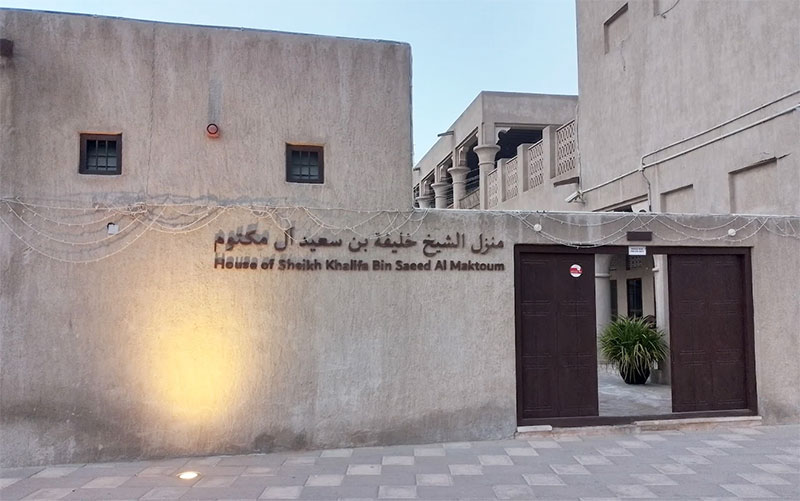
The museum is located in the heart of the historic Al Shindagha district, inside the house of the late Sheikh Hasher bin Maktoum Al Maktoum, may God have mercy on him. This location gives the visit a special character, where the heritage of the place meets the value of exhibits that belong to different civilizations and distant historical periods.
From a Private Collection to a Museum Open to the Public
The story of the Crossroads of Civilizations Museum began with a private collection gathered by its founder, Ahmed Obaid Al Mansoori, over nearly thirty years. What started as a personal passion later developed into a cultural project open to visitors. In its early days, the collection was kept in his home and included original maps and artifacts documenting the importance of the Arabian Gulf and its historical and geographical position. The idea then grew in cooperation with Dubai Municipality, turning the museum into a platform that presents an important part of the region’s history of cultural exchange.
This cooperation between Ahmed Al Mansoori and Dubai Municipality represents an important step in preserving historical objects and making them accessible to the public, connecting Dubai’s residents and visitors with an authentic part of the city’s and the region’s memory.
Rare Artifacts from Ancient Civilizations
The Crossroads of Civilizations Museum houses a rich collection of archaeological artifacts that belong to various civilizations, with some pieces dating back to around 5000 BC. These objects are connected to major world civilizations, including the Roman, Phoenician, Pharaonic, Sumerian, Greek, and Chinese civilizations, as well as ancient Arab civilizations such as the Himyarite civilization and the civilization of Sheba.
The value of these artifacts lies not only in their age, but also in what they reveal about the region’s long-standing connection with the ancient world. Each piece carries traces of a long journey and suggests that Dubai and the Arabian Gulf were part of an active movement of trade and cultural exchange between East and West.
A Museum That Reflects the Old Spirit of Dubai
The Crossroads of Civilizations Museum reflects the spirit for which old Dubai was known: a city of passage, trade, and connection. The region was a meeting point for merchants and travelers, and people from different cultures, religions, and languages passed through it, leaving behind material and human traces that can still be seen through these collections.
Through its exhibits, the museum highlights an important idea: relations between civilizations were not always shaped by difference or competition. In many cases, they were built on shared interests, trust, and mutual respect. Ancient trade was not only about buying and selling; it was also a bridge for understanding, knowledge, art, and products to move from one culture to another.
A Platform for Tolerance and Cultural Diversity
The museum presents a message that is closely connected to the contemporary reality of the United Arab Emirates, a country that has become home to many communities and cultures. The Crossroads of Civilizations Museum does not present the past in isolation from the present. Instead, it links the region’s history with its current role as a place that brings people from different backgrounds together in an environment based on coexistence and respect.
This is where the museum’s importance becomes clear. It serves as an interactive platform that reflects the UAE’s experience of openness to different cultures and shows that diversity can be a source of cultural and human richness. It also gives visitors the chance to reflect on the positive sides of historical relationships between peoples, without exaggeration or overly theoretical language.
A Heritage Treasure for the UAE and the Region
With its rich collections and historical groups of artifacts, the Crossroads of Civilizations Museum is an important heritage treasure for Emirati civilization and the history of the region. It helps visitors understand the position Dubai once held along ancient trade routes and how this location made it a natural crossing point for goods, ideas, and cultures.
The museum also offers an educational experience suitable for students, researchers, and anyone interested in history. It opens the door to exploring the links between ancient civilizations and understanding the role trade played in bringing peoples closer and building stable relationships among them.
Gulf Recognition for the Museum’s Role
The Crossroads of Civilizations Museum has received several awards and recognitions. Among the most notable is the Secretary General of the Gulf Cooperation Council Award for Best Museum in 2015, granted in appreciation of its role in highlighting Gulf heritage and connecting future generations with their authentic cultural roots. This recognition reflects the museum’s position as a cultural institution that contributes to preserving historical memory and presenting it in a way that is accessible to the public.
The Crossroads of Civilizations Museum in Al Shindagha is an important destination for anyone who wishes to discover Dubai’s history from a different perspective. It does not present artifacts as silent objects, but as part of a wider story about communication between peoples and the role of the region in the movement and meeting of civilizations.
With its historic location in Al Shindagha, its rare collections, and its message based on tolerance and respect for diversity, the museum remains a valuable addition to cultural tourism in Dubai and a quiet window into a shared human history that still carries meaning for new generations.