Dubai has become a global financial and investment safe haven, offering investors a rare combination of stability, resilience, and long-term growth potential. Its ability to withstand global crises and economic volatility has strengthened its position as one of the world’s leading destinations for protecting and growing wealth.
At a time when the global economy is undergoing rapid change, stock markets remain volatile, and some currencies are under pressure, investors are once again turning to hard assets. These include real estate, infrastructure-linked investments, and assets connected to the real economy.
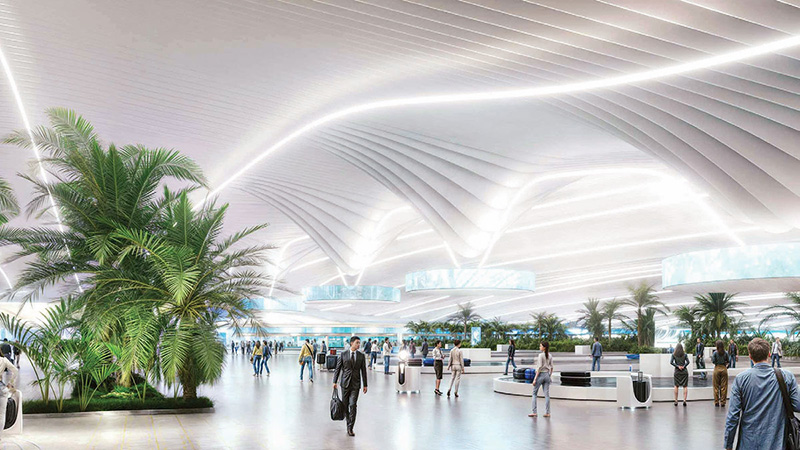
Dubai stands out in this environment because of its integrated economic system, which extends from Jebel Ali Port to Dubai International Airport and Al Maktoum International Airport, along with a modern network of roads, services, and economic zones. Together, these advantages give the emirate a strong ability to maintain economic activity and absorb new flows of business and capital.
According to an analysis published by Entrepreneur, three main reasons strengthen Dubai’s position as a global capital of hard assets in 2026.
A Fundamental Reality
For investors, the picture can be summarized in one essential fact: Dubai continues to maintain operational stability even when other markets are affected by political tensions or daily economic developments.
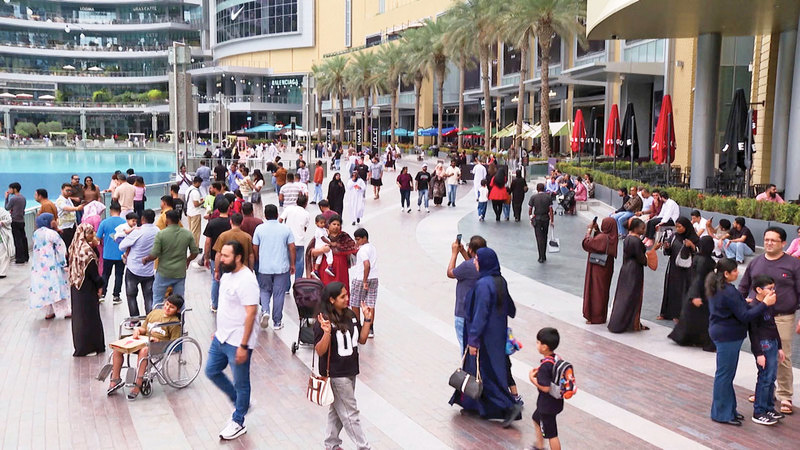
This stability is not limited to business continuity. It can also be seen in corporate expansion, the opening of new headquarters, the growth of real estate and commercial projects, and the steady arrival of new residents and skilled professionals.
By contrast, several European markets face challenges linked to higher taxes, stricter regulations, and slower price growth. As a result, real estate investment in those markets may require a longer period before generating suitable returns.
Some Asian markets continue to offer attractive opportunities, but they are still affected by slower growth or uncertainty surrounding certain regulatory procedures. This has encouraged investors to approach them with greater caution.
In the Middle East, and particularly in Dubai, the picture is entirely different. The emirate has entered a phase of “mature growth” and has become a destination for systematic investors, supported by rental returns driven by a genuine and sustained inflow of talent and business activity.
Investors are choosing Dubai for three main reasons that support the strength of its hard assets.
The first reason is monetary protection. The UAE dirham’s peg to the U.S. dollar since 1997 provides a level of predictability that economies with weaker national currencies often lack. In addition, inflation in the UAE remains among the lowest rates globally, at around 1.8%, according to the Central Bank’s forecasts.
The second reason is regulatory transparency. The framework established by Dubai’s Real Estate Regulatory Agency has helped strengthen confidence in the market, especially in off-plan developments.
Escrow accounts play an important role in protecting buyers’ funds. Payments are placed in designated accounts and released to finance construction in line with approved completion stages and regulatory requirements. This system reduces risk and gives investors a clearer view of a project’s progress.
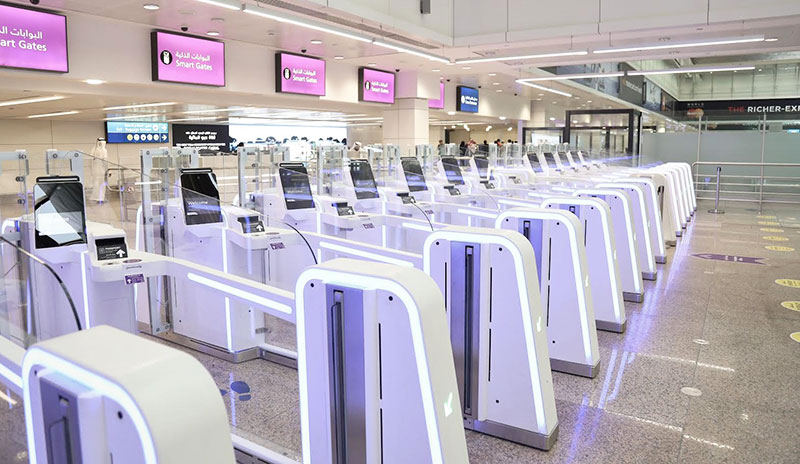
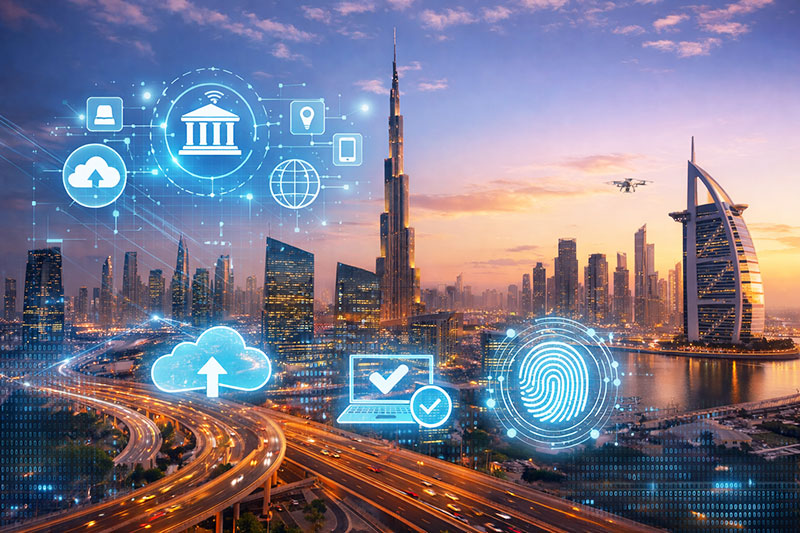
Digital services and the registration of contracts and property ownership have also improved transparency, making it easier to verify information about developers and projects before making a purchase decision.
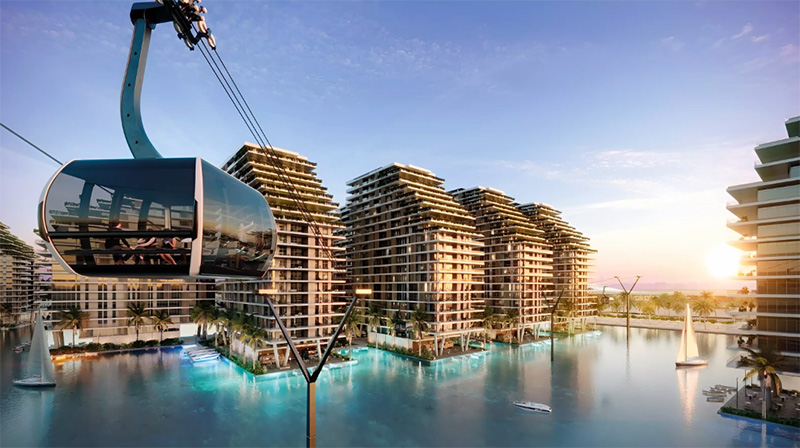
The third reason is infrastructure capital. Dubai is not focused only on building residential units. It is developing a complete environment that includes business districts, airports, ports, roads, schools, hospitals, and a wide range of service and leisure facilities.
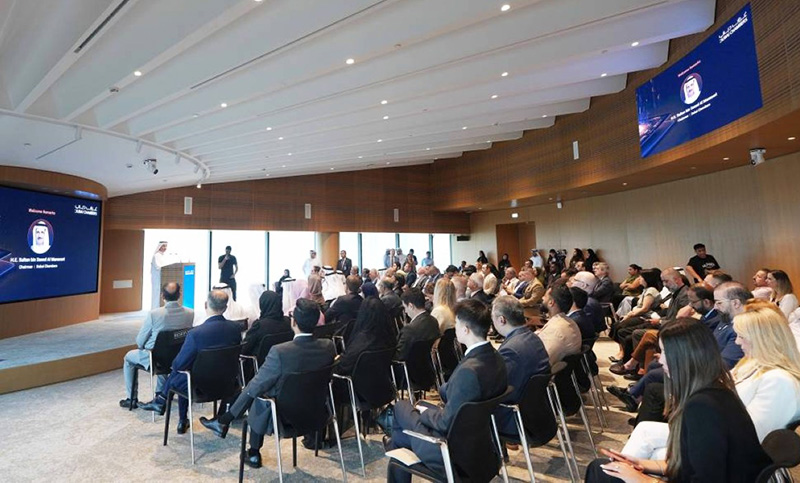
This environment helps attract international and regional companies to the emirate. As businesses relocate and expand, demand rises for office space, housing, and nearby services.
For this reason, real estate demand in Dubai is linked to genuine economic activity. Corporate expansion and the opening of new headquarters naturally increase the number of employees and residents looking for homes close to their workplaces.
Dubai’s real estate market is also supported by another powerful factor: the flow of human capital. The emirate has become a preferred destination for entrepreneurs, highly skilled professionals, investors, and senior executives.
When these individuals move their businesses and personal lives to Dubai, demand increases for high-quality residential properties, especially in areas close to commercial centers, business districts, schools, and essential services.
This type of demand shifts real estate investment away from simple speculation on rising prices. Instead, it connects property values to a genuine need for housing, work, and long-term stability.
For long-term investors, the growth of a financially secure resident base is an important indicator. It supports occupancy and rental levels.