A recent report by JLL has identified the UAE as the most developed flexible workspace market in the Middle East and Africa, with Dubai and Abu Dhabi recording strong occupancy levels and continued growth in demand.
According to the Middle East and Africa Flexible Workspace Market Report 2026, occupancy rates in Dubai range between 75% and 85%, while Abu Dhabi records levels of between 70% and 85%.
A Gradual Shift in Corporate Real Estate Strategies
The report said the regional market is entering an important period of change, as more than 90% of corporate real estate portfolios remain leased under traditional long-term agreements.
At the same time, advances in artificial intelligence and changing work models are creating uncertainty over the ideal structure of workforces and the amount of office space companies will need in the future.
Against this backdrop, greater flexibility in real estate portfolios is becoming an increasingly strategic option for companies seeking to adapt to changing workplace requirements.
Significant Room for Growth in Flexible Workspaces
Despite growing interest in flexible offices, adoption levels remain relatively limited.
The report found that only around 5% of global companies allocate more than 10% of their real estate portfolios to flexible workspaces.
Meanwhile, more than 40% of companies allocate 1% or less of their portfolios to this type of office space.
These figures highlight the considerable room available for further growth as companies continue to reassess their office requirements and look for greater flexibility in managing their real estate portfolios.
Dubai Leads the Region With More Than 1.2 Million Square Feet
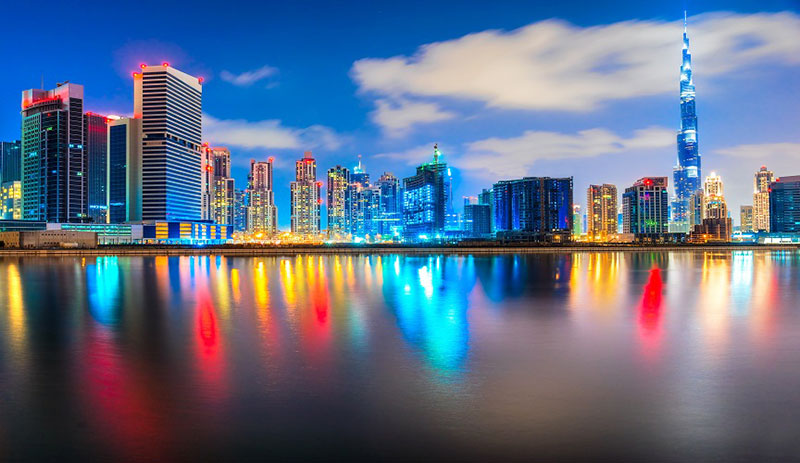
Dubai leads the regional flexible workspace market in terms of total supply, with more than 1.2 million square feet currently available.
Occupancy rates in the emirate range between 75% and 85%, reflecting continued demand for flexible office solutions.
The report also noted that around 55% of Dubai’s existing flexible workspace supply has been delivered since 2022, underlining operators’ continued confidence in the market.
Diverse Office Options Strengthen Dubai’s Appeal
Dubai also stands out for the diversity of its commercial property market, with office options ranging from central business districts to locations that offer more competitive costs.
This variety gives tenants a wider range of choices and supports demand from different types of businesses.
Companies can select locations and workspace formats that better match their operational requirements, budgets, and preferred business districts.
Private Offices Dominate Demand in Business Districts
Private offices account for around 95% of flexible workspace in Dubai’s central business district, according to the report.
This reflects the requirements of companies operating in the financial and professional services sectors, where privacy and regulatory considerations remain particularly important.
The trend also shows how the flexible workspace market has expanded beyond traditional shared offices to include private office solutions designed for companies with more specific operational needs.
A Diverse Tenant Base Supports Market Stability
Dubai’s market stability is also supported by a broad tenant base.
Regional and local tenants account for around 55% of occupiers, while international tenants represent between 40% and 45%.
This mix gives the market a balanced demand profile and highlights Dubai’s ability to attract companies from within the UAE, across the region, and from international markets.
Abu Dhabi Expands Its Presence in the Flexible Workspace Market
In Abu Dhabi, the total supply of flexible workspace has reached around 366,000 square feet, while occupancy rates range between 70% and 85%.
The report said the capital is experiencing a period of rapid growth as the market develops from a specialized segment into a broader flexible workspace market.
This expansion has been supported by significant additions to supply during 2024 and 2025.
Artificial Intelligence Is Reshaping Office Requirements
Dana Williamson, Head of Offices, Business Space and Retail for the Middle East and Africa at JLL, said, “The flexible workspace market is at a critical turning point,” as demand for flexible space continues to rise and workplace requirements change as a result of artificial intelligence.
The shift reflects the broader changes taking place in workplace models, as companies reconsider how much office space they need and how that space should be used.
As artificial intelligence continues to influence business operations and workforce structures, flexibility is becoming increasingly important in corporate real estate planning.