The United Arab Emirates continues to strengthen its position as one of the world’s most competitive and attractive labor markets after securing the top global ranking in 15 labor-related indicators. This achievement was highlighted by data from the Labor Market Observatory of the Ministry of Human Resources and Emiratisation, based on several prominent international reports on competitiveness and global talent.
These outstanding results reflect the continuous development of policies and regulations governing the country’s labor market. Such efforts have contributed to creating a flexible economic environment capable of attracting global talent while enhancing employment opportunities and professional growth.
According to the IMD World Competitiveness Yearbook 2025, issued by the International Institute for Management Development (IMD), the UAE ranked first globally in 10 key labor market indicators. These include low labor disputes, low redundancy costs, workforce growth, the availability of international experience, and overall labor market efficiency.
The country also topped indicators related to working hours, employment rates, job growth, the availability of senior specialized managers, and low bureaucracy—factors that significantly enhance the UAE’s attractiveness as a global business hub.
In other international reports, the UAE also secured first place in five additional indicators. These include the country’s ability to attract global talent according to the Global Prosperity Report 2023, as well as low dismissal costs in the Global Innovation Report 2023.
The country also performed strongly in global talent reports, ranking first in the Digital Skills Index in the Global Talent Competitiveness Report 2025 issued by INSEAD. In addition, it ranked first in the Arab world in the Global Talent Index 2024 released by IMD.
The UAE’s achievements extend beyond first-place rankings. The country placed second globally in five indicators, including the proportion of foreign labor, total workforce participation, skilled foreign labor, financial skills, and the ability to attract thinkers and international expertise.
The UAE also ranked third globally in several indicators, including the availability of skilled workers, the availability of qualified engineers, unemployment expectations, and the migration of artificial intelligence skills.
In other areas, the country ranked fourth globally in labor regulations and long-term unemployment indicators. It also placed fifth globally in the unit labor cost for the overall economy and in talent retention.
Additionally, the UAE ranked sixth globally in youth unemployment and eighth globally in the low brain drain index, highlighting the success of the country’s economic policies in retaining and attracting talent.
Experts believe that these results reflect the major transformation taking place in the UAE’s labor market, particularly as the country adopts flexible policies aligned with global shifts in work patterns and the digital economy.
Over recent years, the Ministry of Human Resources and Emiratisation has launched several initiatives and programs aimed at developing the labor market and improving its efficiency. These initiatives seek to balance the needs of businesses with those of the workforce while supporting sustainable economic growth.
Among the most significant initiatives is the development of a flexible work permit system, along with the introduction of part-time work, remote work, and flexible employment models. These options provide diverse working arrangements suited to different economic sectors.
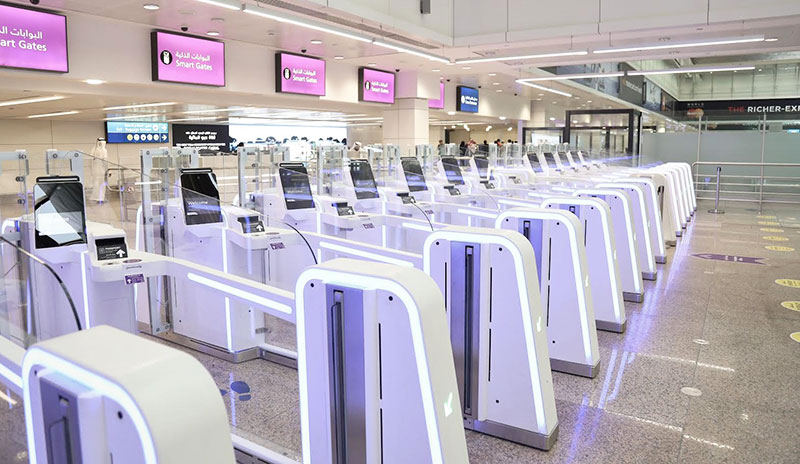
Digital transformation has also played a major role in improving labor market services. Most government services are now available through smart digital platforms, reducing bureaucracy, accelerating procedures, and enhancing the overall business environment.
To attract global talent, government policies and residency programs—such as the Golden Visa and Green Visa—have helped draw specialized skills and expertise from around the world.
The growth of the workforce and increasing employment rates also reflect the country’s strong economic momentum, driven by rising investments and the expansion of business and technology sectors.
With continuous improvements in legislation and the business environment, the UAE remains committed to building a modern and sustainable labor market that keeps pace with global economic transformations while strengthening its position as a global hub for business and talent.