The development of Al Maktoum International Airport is receiving broad coverage from international media, not only because it is one of the largest infrastructure projects in the aviation sector, but also because it reflects a long-term vision aimed at strengthening Dubai’s place on the global air travel map in the decades ahead.
Since the announcement of the airport’s new plans, international newspapers and news agencies have described the project as the beginning of a new phase in air transport, especially as global travel continues to grow and major airports around the world face the need for more flexible and expandable solutions.
Dubai Invests Early in the Future of Aviation
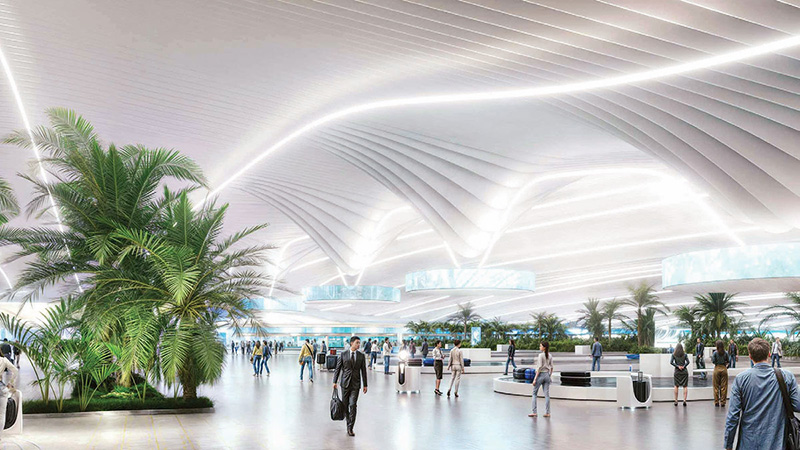
At a time when many major global airports are facing challenges related to limited space and growing operational pressure, Dubai is moving in a different direction, one based on early preparation for future demand. The Al Maktoum International Airport project does not only respond to today’s needs. It also lays the foundation for an aviation system capable of serving future generations.
Media reports have noted that the project reflects Dubai’s confidence in the continued growth of the global aviation sector, despite the economic and geopolitical challenges facing the world. They also pointed out that the new airport is expected to eventually absorb the operations of Dubai International Airport, including Emirates and flydubai flights, becoming the main hub for air traffic in the emirate.
The goal of the project is not limited to increasing passenger capacity. It also aims to create an integrated infrastructure that supports travel, trade, and logistics, while keeping pace with the expected rise in the number of global travelers in the coming years.
A Global Gateway Connecting Continents
Some international media outlets have described Al Maktoum International Airport as a global gateway to the future, noting that Dubai has long been known for adopting major projects that reshape the sectors it enters. After successfully establishing Dubai International Airport as one of the world’s busiest airports for international passengers, the emirate is now moving toward building a larger aviation hub with greater room for growth.
The figures associated with the project reflect an exceptional scale, as Dubai aims to develop an airport with a massive capacity that exceeds the capabilities of many of the world’s largest airports. This strengthens the emirate’s position as a key connecting point between Asia, Europe, and Africa, supported by a geographic location that gives it a clear competitive advantage in international travel.
Broad Economic Dimensions
Reports specializing in travel and tourism have focused on the economic dimension of the project, considering the expansion of Al Maktoum International Airport a natural response to the steady growth of Dubai’s aviation sector. Dubai International Airport continues to record high passenger numbers, making the provision of larger and more advanced infrastructure a necessary step for the future.
The project is expected to support several vital sectors, led by tourism, trade, air cargo, and logistics. It could also help increase the flow of visitors and business travelers, while strengthening Dubai’s ability to attract companies and investments linked to transport and support services.
A Driver of Development in Dubai South
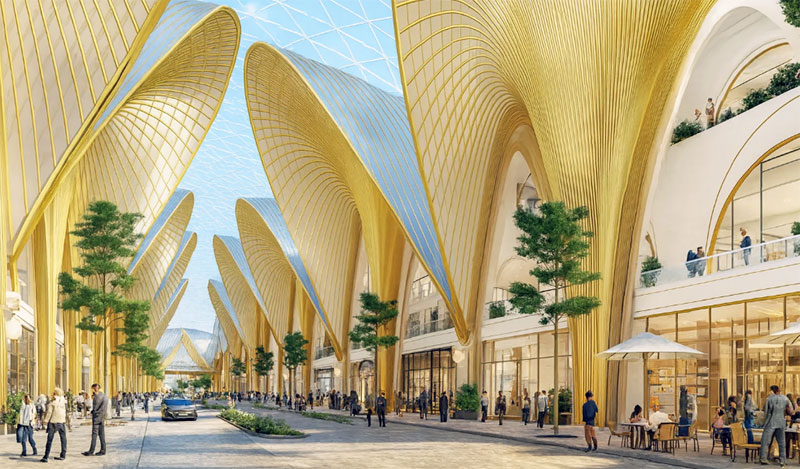
Economic experts view Al Maktoum International Airport as a major driver of development in Dubai South. The project is not limited to building runways and passenger terminals. It is connected to the development of an integrated aviation city that includes logistics, commercial, industrial, and residential zones.
This model is expected to turn the area around the airport into a broad economic center capable of creating direct and indirect job opportunities, stimulating investment in transport, storage, and service sectors, and supporting global companies looking for a strategic location close to major markets.
A New Model for the Airports of the Future
Global coverage confirms that the concept of airports is changing rapidly. An airport is no longer just a place for aircraft to arrive and passengers to depart. It has become an economic and technological center that provides a wide range of services and is linked to supply chains, tourism, trade, and business movement.
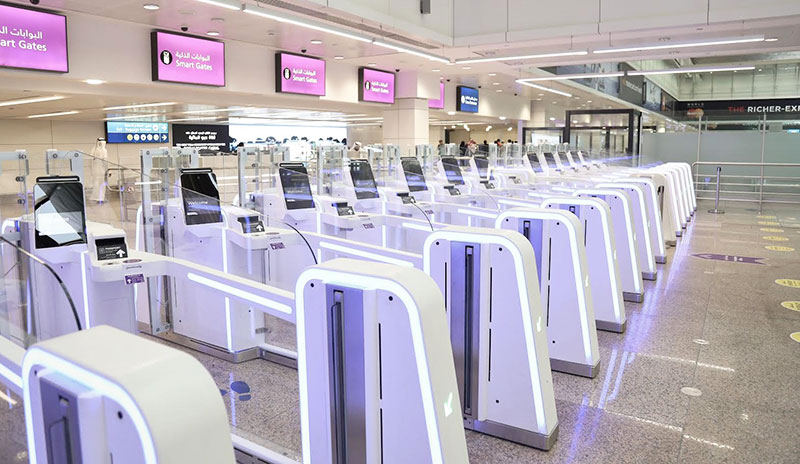
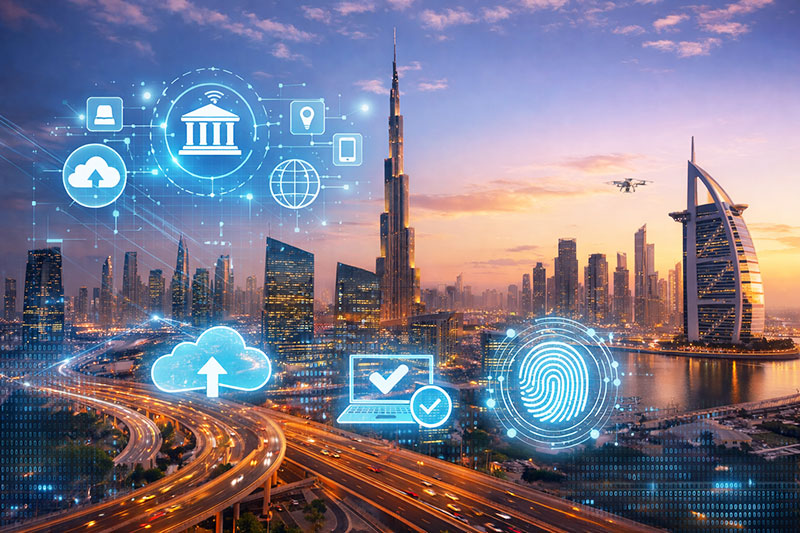
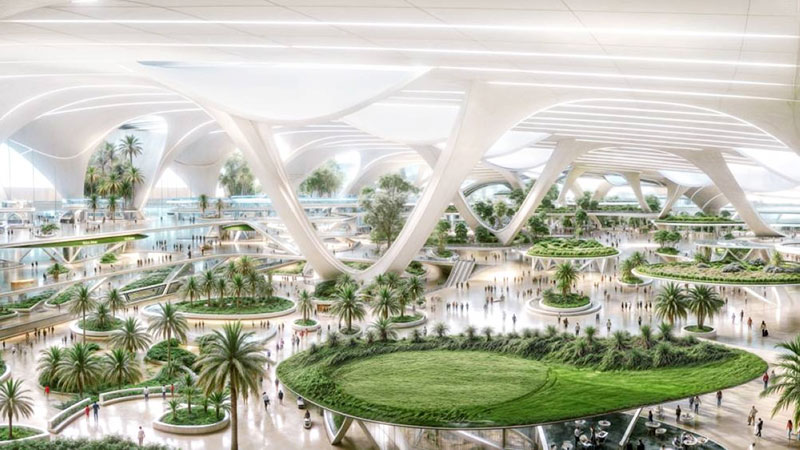
In this context, Al Maktoum International Airport stands out as a model for the airports of the future, especially with the expected focus on smart technologies, digital transformation, and improving the passenger experience. This vision includes developing smoother travel systems, using advanced digital solutions in operations management, and facilitating movement inside the airport from arrival to boarding.
Global Confidence in Dubai’s Position
International newspapers have pointed out that the project reflects strong confidence in Dubai’s position as a global hub for business, tourism, and aviation. The emirate enjoys a geographic location that allows access to a large share of the world’s population through medium-length flights, strengthening its role as a meeting point between East and West.
The success of Dubai International Airport over past decades has also given Dubai a strong base from which to move into a wider phase. The airport has become a symbol of the emirate’s success in managing international travel and has reinforced its presence as one of the world’s most important aviation capitals.
A Long-Term Strategic Vision
Although the development of Al Maktoum International Airport is still in its implementation stages, the global view of the project goes beyond seeing it as a massive construction project. It expresses a strategic vision that anticipates future needs and confirms that Dubai continues to invest in infrastructure that serves its economy and international standing.
As the development phases are completed in the coming years, the airport is expected to become one of the clearest examples of how cities can plan for decades ahead, relying on innovation, long-term investment, and the connection between infrastructure and economic growth.