With the arrival of the first passenger train at Mohammed bin Zayed City Station in Abu Dhabi, the United Arab Emirates has entered a new chapter in the development of its national transportation system. The launch of the first passenger services on the Etihad Rail network reflects the country’s commitment to providing modern, integrated, and more sustainable mobility solutions.
The arrival of the train was not just a routine operational event. It represented a major milestone in a national project that is the result of years of planning, work, and investment in infrastructure. This achievement also highlights continued progress in implementing major projects that help connect cities and communities, improve quality of life, and make travel easier between the different emirates.
The first preliminary operational journeys began between Abu Dhabi and Fujairah, with the trip taking around 105 minutes. The trains can reach speeds of up to 200 kilometers per hour, offering passengers a modern travel experience that includes reserved seats, free Wi-Fi, charging ports for electronic devices, and dedicated luggage space, making the journey more comfortable and well organized.
The launch of the passenger train service comes less than five years after the project was announced as part of the Projects of the 50. It reflects the UAE’s ability to deliver strategic projects according to clear plans, while supporting the development of an advanced transportation network that meets the needs of residents and visitors and keeps pace with the country’s economic and urban growth.
The importance of the project goes beyond direct travel between cities. It carries broad economic, social, and environmental benefits. Passenger train services are expected to generate benefits worth around AED 91 billion over the next 50 years by improving transportation efficiency, reducing traffic congestion, lowering carbon emissions, supporting domestic tourism, and linking economic and urban centers more effectively.
Azrah Al Mansouri, Executive Director of the Commercial Sector at Etihad Rail Passenger Services, said that the arrival of the first Etihad Rail passenger train at Mohammed bin Zayed City Station from Fujairah represents a historic moment for the UAE’s transportation sector. She added that the team is proud to witness the launch of the country’s first passenger train journey.
She explained that the project is not limited to providing a means of transportation between two stations. Rather, it establishes a new phase of mobility in the UAE, based on safety, reliability, and sustainability, while reflecting the country’s vision for building a modern and integrated transportation system.
Al Mansouri noted that the passenger train project was announced in December 2021, and today it has become a tangible reality with the official launch of the service within a relatively short period. She said this achievement reflects the speed and quality of execution in major national projects.
She also pointed out that the inaugural journey had a special character for passengers, who were able to watch the sunrise over the mountains of Fujairah. She said the experience will remain a memorable moment for those who took part, and an important beginning for the future of rail travel in the UAE.
Al Mansouri confirmed that demand for the service has been clear since it was announced, noting that the Etihad Rail app topped the list of smart applications, while operations began smoothly and according to the plans set in advance.
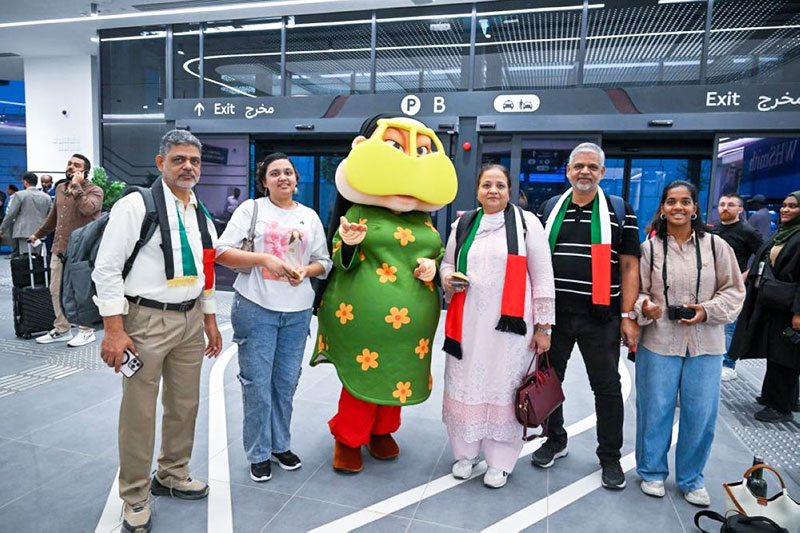
Several passengers also expressed their happiness at taking part in the inaugural journey, saying that the project represents a historic step in the development of transportation in the UAE and offers a new experience that combines comfort, speed, and organization.
Noha Al Naqbi said she felt proud to be among the first passengers to experience the passenger train. She explained that the project reflects the level of progress the UAE has achieved in building modern infrastructure and a transportation system comparable to advanced international models.
She added that the passenger train embodies the country’s commitment to investing in sustainable infrastructure and provides a safe and advanced means of transportation that strengthens the connection between cities and communities and supports quality of life across the UAE.
For her part, Hind Al Balushi said the journey was comfortable and smooth from the moment she arrived at the station until reaching the final destination. She praised the quality of services provided to passengers throughout the trip.
She noted that the introductory fares are reasonable compared with the quality of services offered, adding that the passenger train is likely to become a preferred option for many people traveling between the emirates because of the speed, comfort, and organized travel experience it provides.
Al Balushi added that the project will help make travel between the emirates easier, support tourism and commercial activity, and encourage wider segments of society to use modern and reliable public transportation.
Etihad Rail currently allows passengers to book tickets through its digital platforms. Introductory fares for the Abu Dhabi to Fujairah route start from AED 55 in Comfort Class and AED 120 in Premium Class, with different options designed to meet passengers’ needs in terms of flexibility and level of service.
The current operation represents the first phase of a gradual expansion plan for the passenger train network. Dubai and Al Dhaid are scheduled to join the network on September 30, 2026, followed by stations in the Al Dhafra region in December of the same year, and then Sharjah in March 2027, leading to a national network that will connect 11 cities and regions across the country.
Once the network is fully operational, the passenger train fleet is expected to have a capacity of around 10 million passengers annually. Railways will then become a key pillar of the UAE’s future transportation system and an important tool supporting economic and social development as well as long-term sustainability.