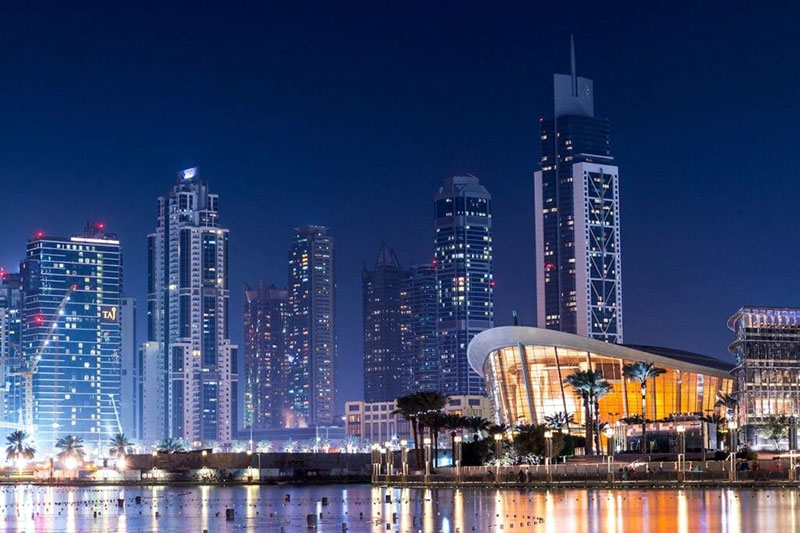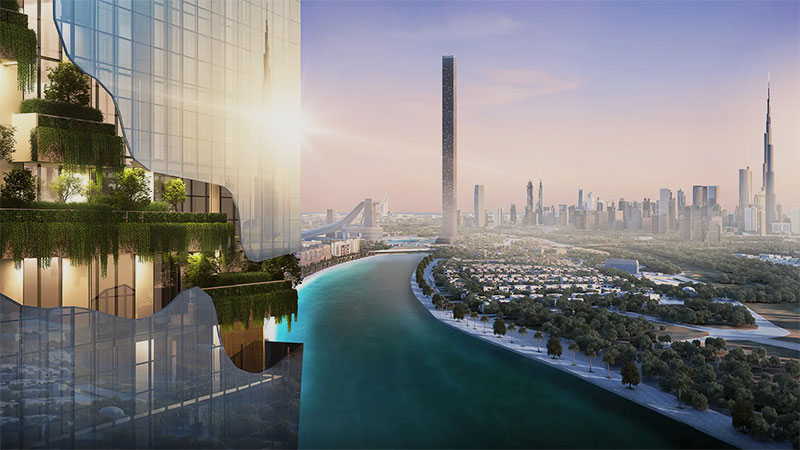
Dubai has earned its place among the world’s most admired cities, with a skyline that reflects remarkable architectural ambition and creativity. Its impressive towers, beautiful landmarks, and modern residential neighborhoods have all become part of what makes the city such an attractive place to live.
Across the emirate, there are waterfront walkways, gardens tucked between buildings, outdoor gathering areas, and communities where everyday comforts are part of the surroundings. These details add to the beauty of Dubai’s architectural landscape and reflect the care being given to the city’s residential environment.
Residential development has gradually become as much about the spaces around a home as the home itself. Modern buildings remain an important part of the picture, but so do the places where residents can walk, relax, meet friends, or simply enjoy being outdoors.
It is an approach that brings together two things Dubai has become known for: ambitious architecture and a growing focus on quality of life.
The Neighborhood Matters as Much as the Home
A beautiful building can catch anyone’s attention. Living in a neighborhood, however, is an experience made up of ordinary moments.
It might be an evening walk through a landscaped garden, a morning coffee at a nearby cafe, or having a comfortable outdoor space where children can play. These are the things that give a residential area its character.
Dubai’s newer communities increasingly take such details into account. Walking paths, recreational facilities, restaurants, fitness areas, and green spaces are becoming familiar parts of residential planning.
This attention to the surrounding environment has brought more variety to the way neighborhoods are designed. Some offer the lively atmosphere of an urban district, with shopping, dining, and entertainment close by. Others have a calmer setting, where gardens and open areas play a more prominent role.
The choice between these different surroundings is part of the experience of living in Dubai. Residents can look for a community that suits their routines and preferences while remaining connected to the wider city.
Water, Greenery, and a Different View of City Life
Waterfront settings have added a distinctive character to many of Dubai’s residential areas. Alongside contemporary architecture, lagoons, promenades, and landscaped spaces create a pleasant contrast to the city’s busy streets and commercial districts.
There is something appealing about having open water as part of a neighborhood’s surroundings. A walkway beside a lagoon offers a different experience from a street lined with buildings. Add palm trees, gardens, and places to sit outdoors, and the atmosphere changes again.
Dubai’s residential developments have approached these ideas in different ways.
Examples across the emirate include Dubai Creek Harbour, Dubai Hills Estate, Sobha Hartland, District One, and Azizi Riviera Rêve. Each has its own setting and architectural identity, illustrating the variety of residential environments being developed in the city.
Some place particular emphasis on waterfront surroundings, while others are known for greenery, landscaped areas, or the integration of recreational facilities into the wider community.
Together, they offer a picture of how varied Dubai’s residential architecture has become. The buildings are part of the attraction, but the spaces around them help give each neighborhood a distinct sense of place.
Meydan and the Appeal of a Well-Connected Neighborhood
Meydan is one of the areas where Dubai’s approach to residential development can be seen taking shape.
Its location near Downtown Dubai and important commercial destinations gives it a practical connection to the rest of the city. At the same time, its residential communities reflect an interest in modern architecture, outdoor spaces, and amenities that support everyday living.
That combination has become an important feature of Dubai’s developing neighborhoods.
Access to major roads and business districts matters, of course. But residents also value the character of the place they return to each day. Greenery, shared spaces, and opportunities to enjoy time outdoors all contribute to that experience.
Meydan reflects this wider approach, bringing contemporary residential design into a part of Dubai that remains connected to the city’s principal destinations.
It is also a reminder of the diversity found across the emirate. Dubai offers many different residential settings, and each area has its own relationship with the city’s architecture, amenities, and surrounding environment.
What Draws International Interest to Dubai’s Property Market?
Dubai’s real estate market has attracted attention well beyond the region, and the reasons extend further than its landmark buildings.
The city has developed an extensive road network, modern infrastructure, and an international business environment. Schools, healthcare facilities, shopping destinations, and entertainment venues are also part of what makes it attractive to people considering living or working here.
Then there is the variety of residential options.
Different areas cater to different preferences, from neighborhoods close to major commercial centers to communities with landscaped surroundings and a more relaxed atmosphere.
For people exploring property ownership, this variety means there are different locations and types of developments to consider. The same applies to those looking at real estate as a long-term investment.
Rental income is another reason the market draws international interest. Some apartment communities in Dubai have recorded estimated annual rental yields of more than 8%, with certain areas reaching over 10% in recent market reports.
According to Bayut’s annual property reports, International City recorded an estimated rental yield of 10.3% in 2025, while Dubai Investment Park reached 11.2% in 2024. More recently, Discovery Gardens recorded 9.06% in the first half of 2026.
Dubai’s continued investment in infrastructure, public facilities, and residential communities also forms part of the broader picture, supporting the city’s role as an international destination for business and everyday life.
Looking Toward Dubai’s Urban Future
The changes visible in Dubai’s residential neighborhoods are connected to a larger vision for the city.
The Dubai 2040 Urban Master Plan sets out priorities that include improving residential communities, expanding green and recreational spaces, and making important services easier to access.
These goals place everyday life at the center of urban planning.
A neighborhood’s character is shaped by many things: the buildings, the streets, the parks, the transportation connections, and the places where people spend their free time. When these elements are considered together, they contribute to a more comfortable residential environment.
That thinking can be seen in the attention now given to public areas, landscaped surroundings, and facilities within modern communities.
Dubai’s long-term vision connects these elements with its wider ambitions for sustainable development, continued economic growth, and better quality of life.
The Story of Dubai Goes Beyond Its Skyline
Dubai’s buildings will always attract attention. Their scale and architectural character have helped make the city recognizable around the world.
Yet the spaces between those buildings tell a story of their own.
A garden beside a residential tower, a walkway overlooking the water, or a quiet outdoor seating area can become part of someone’s daily routine. These are familiar details of neighborhood life, and they matter in a city that continues to grow.
Across Dubai, new residential communities are adding to that experience in different ways. Waterfront settings, green spaces, and modern recreational facilities are becoming part of a broader approach to how neighborhoods look and feel.
The result is a city with an increasingly diverse residential character, where modern architecture and everyday comfort can be found side by side.
As Dubai continues to develop, its skyline remains a symbol of architectural ambition. Its neighborhoods reveal another important part of that ambition: creating attractive, comfortable places where people can enjoy daily life.
Dubai’s beauty can be seen in its remarkable buildings, but it can also be found in the gardens, waterfronts, and welcoming neighborhoods that make the city a place to call home.