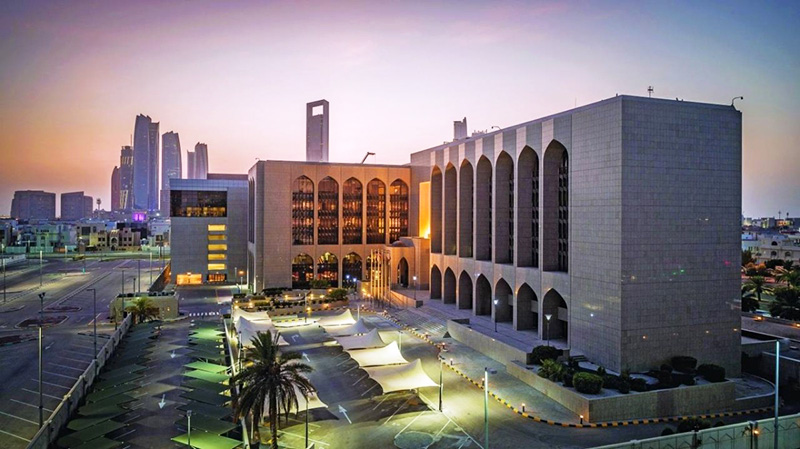
The UAE banking sector continued to strengthen its position as the largest in the Arab world and the GCC, with total assets reaching AED 5.413 trillion by the end of January 2026, compared to AED 5.34 trillion at the end of December 2025. This reflects a monthly increase of AED 73.6 billion, highlighting stable growth across the sector.
According to data from the Central Bank, total bank deposits rose to AED 3.336 trillion, up from AED 3.307 trillion in December, marking a monthly increase of AED 29.8 billion. This growth was mainly driven by a 1.2% rise in resident deposits, which reached AED 3.046 trillion, despite a slight decline in non-resident deposits to AED 290.7 billion.
Total bank credit also increased by 1.1%, reaching AED 2.598 trillion at the end of January, compared to AED 2.57 trillion in December, with a monthly rise of AED 28 billion. The growth was supported by higher domestic credit, including a 0.6% increase in lending to the private sector and a 2.5% rise in credit to the government sector.
In terms of monetary indicators, the monetary base grew by 0.6% to AED 900.8 billion. Meanwhile, money supply (M1) increased by 0.9% to AED 1.081 trillion, supported by higher currency in circulation outside banks and an increase in demand deposits.
Money supply (M2) rose by 1.3% to approximately AED 2.79 trillion, driven by growth in quasi-monetary deposits, with both corporate and individual deposits contributing to the increase. Deposits of government-related entities also recorded a 3.6% rise, supporting overall liquidity growth.
Furthermore, money supply (M3) expanded by 1.4% to exceed AED 3.301 trillion, supported by higher government deposits, which reached AED 511.7 billion.
On the external side, the Central Bank’s foreign assets increased to AED 1.084 trillion at the end of January, compared to AED 1.058 trillion in December. These assets include foreign deposits, securities, and other international investments.
These indicators reflect continued positive performance in the UAE banking sector, supported by growth in deposits and credit, as well as strong liquidity levels, reinforcing its leading position across the region.