Dubai’s museums form an essential part of the emirate’s cultural landscape. They are living spaces that preserve the memory of the city and open their doors to visitors, allowing them to explore the stories of the people who helped shape Dubai’s identity over time.
Through their exhibits, photographs, documents, and valuable collections, these museums offer visitors a closer look at the history of Dubai and a deeper understanding of the social and cultural changes the city has witnessed. They take audiences back to the early stages of traditional life, when the sea, trade, crafts, and community customs played a central role, while also showing how modern Dubai has remained connected to its roots and heritage.
Dubai’s museums contribute to spreading cultural awareness and encouraging dialogue between generations. They also strengthen the presence of local heritage in everyday life through educational and interactive experiences that help the public read history in a human and accessible way, away from rigid storytelling or traditional displays.
The importance of these museums lies in their ability to connect the past with the present. They preserve the stories of families, old professions, social traditions, and ways of life that shaped the spirit of the local community. They also reflect the values of hard work, ambition, and openness that have accompanied Dubai’s journey from its early days and contributed to its position as a city that brings together authenticity and progress.
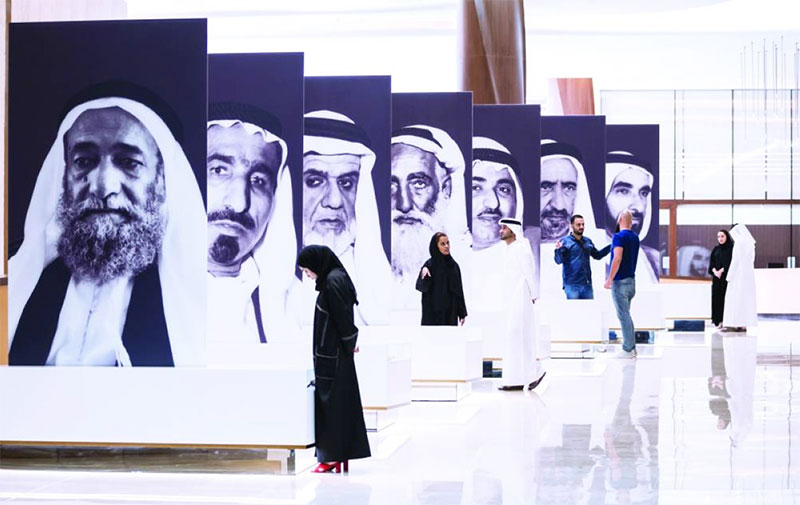
Etihad Museum stands out as one of Dubai’s most important national landmarks. It tells the story of the founding of the United Arab Emirates and documents key moments in the journey of the Union through photographs, documents, and interactive exhibitions. The museum sheds light on the vision of the founding fathers and their belief in unity and in the future of the nation.
Al Shindagha Museum, the largest heritage museum in the UAE, offers a broad experience that takes visitors into the heart of old Dubai. Through its historic houses and various pavilions, it presents aspects of the emirate’s social and cultural life. The museum guides visitors through stories of the sea, the creek, markets, traditional crafts, perfumes, and family homes, revealing how the relationship between people and place was formed, and how the local environment helped shape daily life.
Among the key stops at Al Shindagha Museum is Al Maktoum Residence, a site of great historical value. It documents an important part of the legacy of Dubai’s ruling family and displays documents, letters, and personal items that reflect different stages in the emirate’s history and development. Meanwhile, Dubai Creek: Birth of a City helps visitors understand the central role the creek played in trade and economic life, while the Perfume House offers a close look at the place of scents and perfumes in Emirati culture and social memory.
Other pavilions reveal different sides of traditional life, including handicrafts that depended on natural resources, traditional adornment and clothing that reflect local taste, and marine life connected to diving, fishing, and pearl hunting. These elements remain central to understanding the character of Dubai and the community that grew around it.
In the historic Al Shindagha district, Saruq Al Hadid Museum adds an important archaeological dimension to Dubai’s museum scene. Its collection includes objects dating back thousands of years, such as metal tools, weapons, ornaments, and archaeological finds that reveal the deep civilizational history of the region. The Poet Al Oqaili Museum also brings visitors closer to Dubai’s literary and cultural life through the story of poet Mubarak bin Hamad Al Oqaili, along with his manuscripts and personal belongings.
The Coins Museum in Al Fahidi Historical Neighbourhood completes this cultural picture. It allows visitors to explore the history of currency and the trade, economic, and cultural connections that linked Dubai to its regional and global surroundings, confirming the emirate’s long-standing role in commerce and cultural exchange.
Dubai’s museums show that heritage is not a distant past, but a source of knowledge, identity, and inspiration. They give the community a continuous opportunity to discover its roots, offer visitors a window into the spirit of the city, and support cultural tourism and the creative industries through rich content and meaningful experiences that speak to different audiences.