Dubai’s nature reserves are among the most important examples of the emirate’s commitment to environmental protection. They form an integrated network dedicated to preserving wildlife and safeguarding a wide range of natural ecosystems. These reserves bring together wetlands, open deserts, mountains, and native plant areas, creating safe habitats for local birds, animals, and plants.
These protected areas reflect a clear vision for conserving natural resources, protecting biodiversity, and highlighting the environmental value of local habitats. They are also important destinations for researchers, nature lovers, birdwatchers, and environmental photographers, in addition to their role in raising awareness about sustainability.
Ras Al Khor Wildlife Sanctuary.. A Key Stop for Migratory Birds
Ras Al Khor Wildlife Sanctuary is one of Dubai’s most important natural reserves, known for its wetlands, salt flats, and water bodies that provide a suitable environment for both resident and migratory birds.
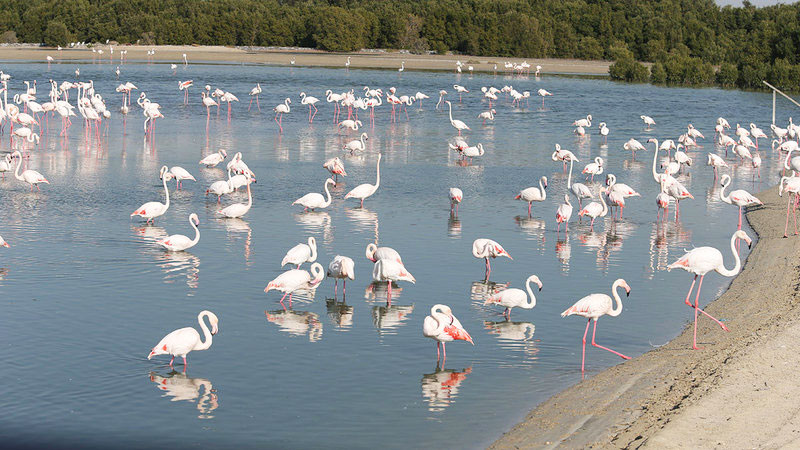
The sanctuary holds special importance because of its location on one of the main bird migration routes. It receives large numbers of birds that stop there to rest and feed. Ras Al Khor is especially known for its greater flamingos, which have become one of the most recognizable sights in the sanctuary, alongside other species such as herons, wild ducks, and falcons.
The reserve offers a successful example of protecting wetlands within an urban environment, while maintaining the natural balance that wildlife needs to survive and reproduce.
Al Marmoom Desert Conservation Reserve.. A Wide Habitat for Biodiversity
Al Marmoom Desert Conservation Reserve is the largest protected area in Dubai. It includes a mix of desert plains, sand dunes, lakes, and open natural areas. This variety has made it an important home for many wild species.
Al Marmoom is home to notable animals such as the Arabian oryx, Arabian gazelles, and desert foxes, in addition to large numbers of local and migratory birds. The lakes within the reserve have also helped attract waterbirds and created vital points of life within the desert environment.
Today, Al Marmoom has become a preferred destination for birdwatching and nature photography. It also supports responsible eco-tourism by giving visitors the opportunity to discover the beauty and natural diversity of the desert.
Dubai Desert Conservation Reserve.. Protecting Wild Species
Dubai Desert Conservation Reserve is an important model for protecting wildlife and restoring wild species to their natural habitats. The reserve provides a safe space for several desert animals, most notably the Arabian oryx, which is considered an important environmental symbol in the region.
The reserve also includes gazelles, foxes, wild cats, and different species of birds and reptiles. Through continuous environmental management, it has become a leading site for preserving desert ecosystems and the native species they support.
The importance of this reserve lies in its ability to combine wildlife protection with the preservation of the natural desert landscape, supporting the sustainability of natural habitats for future generations.
Hatta Mountain Reserve.. Natural Diversity Among Mountains and Valleys
Hatta Mountain Reserve reveals a different side of Dubai’s environmental diversity. Its mountains and rocky valleys create a distinctive natural setting for plant and animal species that are adapted to this type of terrain.
The reserve helps protect mountain ecosystems, preserve local vegetation, and support the environmental balance of the area. Hatta is also one of Dubai’s important natural sites, adding a unique environmental dimension to the emirate’s network of protected areas.
The mountainous nature of Hatta offers a chance to explore environments that differ from the desert and the coast, making it an essential part of Dubai’s natural diversity map.
Ghaf Nazwa Reserve.. Preserving the Ghaf Tree and Its Environment
The ghaf tree holds a special place in the UAE’s natural environment. It is one of the native trees capable of adapting to the desert climate, and it is closely connected to the country’s natural and cultural heritage.
Ghaf Nazwa Reserve was established to protect these trees and preserve the surrounding environment. Ghaf trees provide a habitat for several living organisms, help stabilize the soil, and support environmental balance in dry areas.
The reserve’s importance lies in protecting one of the most significant symbols of local nature, while strengthening the role of the ghaf tree in efforts to preserve native plants and desert habitats.
Dubai Nature Reserves.. An Integrated System for Nature
Dubai’s nature reserves form a diverse environmental system that includes Ras Al Khor Wildlife Sanctuary, Al Marmoom Desert Conservation Reserve, Dubai Desert Conservation Reserve, Hatta Mountain Reserve, and Ghaf Nazwa Reserve. Together, these protected areas work to preserve birds, animals, and plants, while safeguarding coastal, desert, wetland, and mountain environments.